The landscape of biotechnology is rapidly evolving, driven by innovations in advanced cell technologies. According to a recent report by MarketsandMarkets, the global cell-based assays market is projected to reach $23.6 billion by 2024, representing a significant growth opportunity for buyers. The increasing demand for personalized medicine and regenerative therapies is a key driver of this market expansion.
Advanced cell technologies encompass a range of applications, from drug discovery to disease modeling. These technologies not only enhance research efficiency but also improve the accuracy of results. A study by Grand View Research indicates that the stem cell technology market alone is expected to witness a compound annual growth rate (CAGR) of 8.5% through 2028. However, despite the promise of these advancements, challenges remain. Ethical concerns and regulatory hurdles can impede progress and require careful consideration.
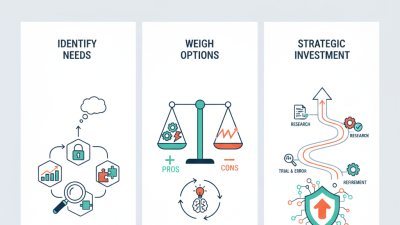
As global buyers seek innovative solutions, understanding the intricacies of advanced cell technologies becomes crucial. Each technology carries its own set of benefits and drawbacks. Evaluating these aspects is essential for making informed decisions. Striking a balance between innovation and responsibility is the key to leveraging these advanced cell technologies effectively.

In the rapidly evolving field of biotechnology, advanced cell technologies are at the forefront. These innovations enable scientists to manipulate and understand cellular processes with unprecedented precision. Stem cell therapy, for instance, holds promise for regenerative medicine. By generating specific cell types, it offers potential treatments for conditions like Parkinson's disease and diabetes. However, ethical considerations remain a critical concern.
CRISPR gene editing has transformed how researchers approach genetic diseases. This technology allows for targeted modifications that could eradicate inherited disorders. Despite its potential, the long-term effects of gene editing are still uncertain. Researchers must grapple with the implications of altering the human genome.
Cellular reprogramming techniques offer a fascinating avenue for medical advancement. Converting one cell type into another could revolutionize tissue engineering. However, challenges such as efficiency and safety must be addressed. As we push the boundaries of what is possible, it is essential to remain cautious about the implications of these technologies.

The global cell technology market is experiencing exponential growth. Recent reports indicate a projected value of over $142 billion by 2026, driven by advancements in stem cell research and regenerative medicine. Innovations in cell therapy are transforming treatment methodologies, addressing conditions previously deemed incurable.
Key players in the industry are focused on harnessing induced pluripotent stem cells (iPSCs) for therapeutic applications. These cells offer the unique ability to develop into any cell type, enhancing the potential for personalized medicine. The competitive landscape is evolving, with entities investing heavily in research and development to stay ahead. Innovations, such as CRISPR technology, are paving the way for more precise genetic editing, pairing well with cell therapies.
Tips: Stay informed about new regulatory changes in cell therapy, as they can significantly impact market dynamics. Understanding investor interest in specific areas can guide buyers in making informed decisions. Additionally, fostering partnerships with research institutions may accelerate innovation. The landscape remains cluttered, and not every technology will succeed; careful evaluation is crucial.
| Technology Type | Key Advantages | Market Applications | Innovation Stage |
|---|---|---|---|
| CRISPR-Cas9 | Precision editing, efficiency, cost-effectiveness | Gene therapy, agriculture | Advanced |
| CAR T-Cell Therapy | Targeted cancer treatment, personalized medicine | Oncology | Commercial |
| Stem Cell Technology | Regeneration, potential for various diseases | Regenerative medicine, research | Research |
| Organoids | In vitro models, drug testing | Pharmaceuticals, personalized medicine | Advanced |
| 3D Bioprinting | Complex tissue structures, customization | Tissue engineering, regenerative medicine | Emerging |
| Synthetic Biology | New functionalities, metabolic engineering | Agriculture, biofuels | Advanced |
| Gene Therapy | Long-term efficacy, potential for cures | Inherited diseases, oncology | Commercial |
| Cell Culture Technologies | Scalability, reproducibility | Bioproduction, research | Advanced |
| Microfluidics | High throughput, precise control | Diagnostics, drug development | Emerging |
| Nanobiotechnology | Targeted delivery, improved efficacy | Therapeutics, diagnostics | Advanced |
Advanced cell technologies are transforming medicine in remarkable ways. These innovations enhance diagnostics and treatment strategies, paving the way for personalized healthcare. Stem cell therapies are particularly notable. They hold potential to regenerate damaged tissues in various conditions, including heart disease and neurodegenerative disorders. Researchers are increasingly exploring their applications, yet ethical considerations and long-term effects require careful examination.
Gene editing is another powerful advancement. Techniques like CRISPR enable precise modifications in DNA. This has implications for treating genetic disorders and improving treatments for cancer. However, the technology raises questions about safety and unintended consequences. Balancing benefits with risks is an ongoing challenge for scientists.
Tips: Always consult healthcare professionals before considering new treatment options. Staying informed about the latest research can guide better decisions. Keep in mind that while technologies are promising, they often need further validation. Understanding the science behind these advancements allows for more effective conversations with healthcare providers.
This bar chart illustrates the applications of various advanced cell technologies in medicine, showcasing their effectiveness in different therapeutic areas.
The global landscape of cell technology is rapidly evolving. Recent reports predict a compound annual growth rate (CAGR) of 15% from 2023 to 2030 in cell therapy. This increase is driven by advancements in regenerative medicine and personalized therapies. Innovations such as CRISPR and induced pluripotent stem cells (iPSCs) are reshaping treatment paradigms. These tools enhance researchers' ability to edit genes and generate patient-specific cells, creating exciting opportunities for treating genetic disorders.
Market trends are shifting towards automation and AI integration in cell technology. Analytics and machine learning models improve data interpretation, which may accelerate discoveries. A study by the Cell Therapy Market Insights notes that over 60% of industry leaders are investing in AI capabilities. However, ethical concerns and regulatory challenges remain. Balancing innovation and compliance is crucial for sustainable growth.
Tips: Always stay updated on global regulations affecting cell technologies. Engaging with professional networks can provide insights into emerging trends. Also, consider patient-centric approaches in development. Listening to feedback is essential for innovation. Emphasizing quality and safety must guide every step in research and application.
The development of advanced cell technologies faces numerous challenges and regulatory hurdles. A significant concern revolves around safety and efficacy. According to a report by the International Society for Cell & Gene Therapy, 70% of developers cite regulatory compliance as a key barrier. This emphasizes the need for stringent protocols and robust clinical data.
Manufacturers must navigate complex regulatory landscapes across different regions. Differences in guidelines can complicate global distribution. For instance, the U.S. Food and Drug Administration (FDA) imposes rigorous documentation requirements that vary widely from those of the European Medicines Agency (EMA). This inconsistency can lead to increased costs and project delays.
Intellectual property (IP) issues further complicate the field. Obtaining patents can be challenging, with an estimated 45% of cell technology firms facing patent litigation. Developers must remain vigilant. Collaborations with regulators can aid in clarifying the requirements, yet many researchers express frustration over prolonged approval timelines. Developing a thorough understanding of local regulations is essential for successful product advancement.