What is Cell Biology Research and Its Importance to Science?
Cell biology research plays a crucial role in advancing our understanding of life at the cellular level. Experts in the field recognize its significance for health and medicine. Dr. Susan M. Smith, a prominent cell biologist, states, "Understanding cells is fundamental to all biological sciences." This statement underscores the interconnectedness of cell biology with various scientific disciplines.
In recent years, breakthroughs in cell biology research have expanded our knowledge of disease mechanisms. Understanding how cells function can lead to innovative treatments. For instance, research on cancer cells has unveiled potential targeted therapies. However, challenges remain. The complexity of cellular processes often leads to questions about causality and treatment efficacy.
Moreover, while cell biology research promises great potential, it also requires ethical considerations. The use of advanced technologies should be balanced with moral responsibility. Scientists must navigate these complexities, ensuring their work benefits society. This balance is essential for fostering trust in cell biology research and its applications.
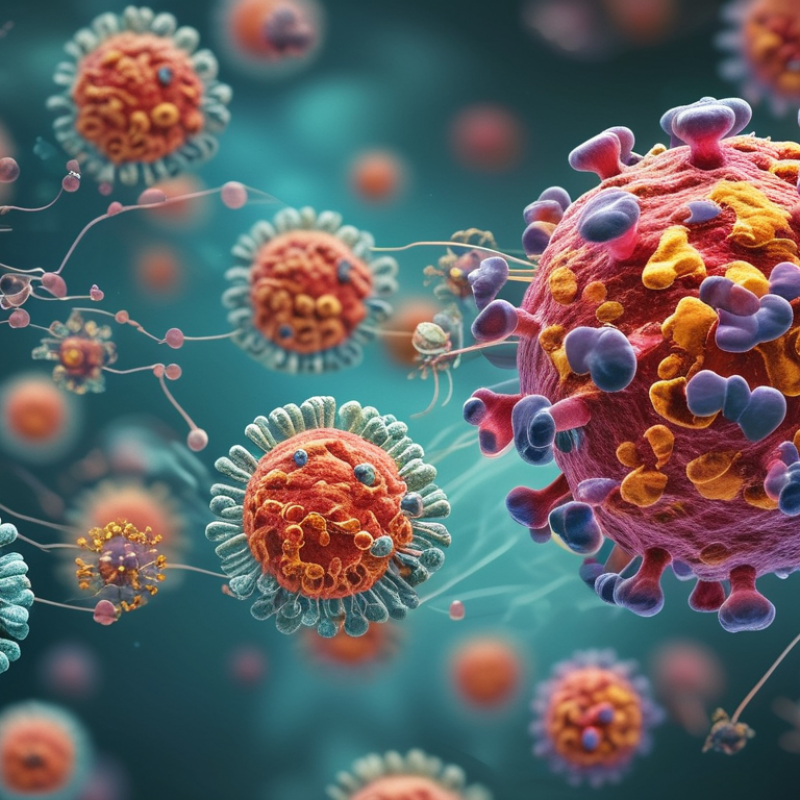
What is Cell Biology Research? An Overview of the Field
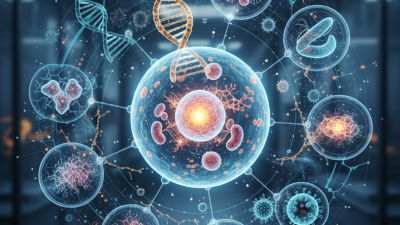
Cell biology research focuses on the study of cells, their structures, functions, and interactions. This field is integral to understanding life itself. By delving into the complexities of cellular mechanisms, scientists can uncover how cells contribute to health and disease. This research informs everything from genetics to cellular therapies.
One essential area of cell biology is understanding how cells communicate. Cell signaling pathways often determine cellular responses. These pathways can reveal why certain diseases occur, granting insights for potential treatments. Furthermore, examining how cells adapt to their environments provides valuable lessons on resilience and vulnerability.
Tips for those interested in cell biology: always stay curious. Investigate the latest studies and findings. Engage with data, but be critical of interpretations. Learn how to analyze results from various types of experiments. Reflect on the processes that lead to scientific breakthroughs. The ongoing discourse in cell biology offers endless learning opportunities.
Key Techniques in Cell Biology Research: Microscopy and Molecular Methods
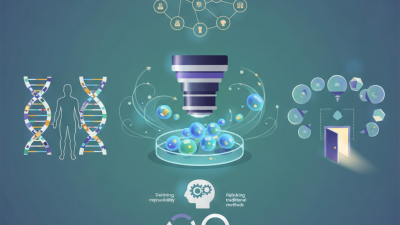
Microscopy and molecular methods are foundational techniques in cell biology research. Microscopy allows scientists to visualize cells in intricate detail. This technique can reveal the structure and function of various cell components, such as organelles. Light microscopy is widely used for general observations, while electron microscopy provides higher resolution images. These detailed visuals are critical for understanding cellular processes.
Molecular methods, on the other hand, involve manipulating DNA, RNA, and proteins. Techniques like PCR amplify DNA sequences for analysis. This is essential for studying gene expression and regulation. Other methods, such as Western blotting, help identify specific proteins within a cell. Researchers often face challenges, like optimizing conditions for these experiments. This trial-and-error aspect underscores the complexity of working at the cellular level.
Combining microscopy with molecular techniques can provide deeper insights. For instance, observing how proteins interact within cells enhances our understanding of their functions. However, this integration is not without challenges. Technical limitations may hinder resolutions or lead to artifacts. Such imperfections remind researchers to remain critical and adaptive in their methodologies, ensuring they continuously refine their approach to cellular studies.
What is Cell Biology Research and Its Importance to Science?
| Technique |
Description |
Applications |
Importance |
| Microscopy |
A technique to observe cells and their components at high magnification. |
Studying cell structure, understanding cellular processes, diagnosing diseases. |
Essential for visualizing cellular morphology and localization of structures. |
| Flow Cytometry |
A technique to analyze the physical and chemical characteristics of cells. |
Cell sorting, analysis of cell populations, studying cell cycle. |
Critical for quantitative measurements of various cell properties. |
| Molecular Cloning |
A process to create copies of a specific DNA sequence. |
Gene expression studies, production of proteins, gene therapy. |
Fundamental for functional studies of genes and proteins. |
| CRISPR/Cas9 |
A genome editing technology that allows for precise modifications of DNA. |
Gene editing, functional genomics, therapeutic development. |
Revolutionizes genetic research and potential treatment strategies. |
| Immunofluorescence |
A technique using antibodies labeled with fluorescent dyes to visualize proteins. |
Studying protein localization, interactions, and expression levels. |
Invaluable for understanding cellular functions and signaling pathways. |
The Role of Cell Biology in Understanding Disease Mechanisms
Cell biology plays a crucial role in understanding disease mechanisms. This field focuses on the structure, function, and behavior of cells, which are the fundamental units of life. Recent studies show that nearly 70% of all known diseases have a cellular basis. Understanding how cells function helps scientists uncover the origins of various conditions, from cancer to autoimmune diseases.
Research in this area reveals cellular abnormalities that lead to disease. For instance, the overexpression of certain genes can cause uncontrolled cell growth in tumors. Findings published in reputable journals indicate that targeted therapies can lead to better treatment outcomes. Such therapies stem from a thorough understanding of cellular processes and how they change in disease states.
Adopting a practical approach can enhance your understanding of cell biology. Observing how cells react to different stimuli can provide insights into disease mechanisms. Engaging in discussions with professionals or attending workshops can deepen your knowledge base. Consider exploring resources that compile cellular data to analyze trends across various diseases. This not only sharpens your perspective but may also expose gaps in current research, urging further investigation.
Impact of Cell Biology Research on Drug Development and Therapy
Cell biology research plays a critical role in advancing drug development and therapy. Understanding how cells function and interact can lead to breakthroughs in treating various diseases. For instance, the National Institutes of Health reported that cell-based therapies have the potential to address conditions like cancer and autoimmune diseases. These therapies rely on insights from cell biology to manipulate cellular processes effectively.
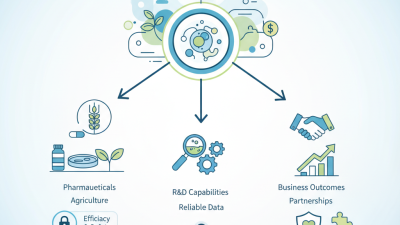
Recent studies show that approximately 40% of new drugs developed in the past decade were directly influenced by cell biology research. This research uncovers cellular mechanisms that guide target selection for drug design. However, it's not without challenges. Many drug candidates fail during clinical trials due to unforeseen cellular interactions. This highlights the need for continued exploration in cell biology to enhance drug efficacy and safety.
The reliance on cell biology increases as diseases become more complex. Innovative approaches like CRISPR and gene editing are paving new paths in drug therapies. Yet, ethical concerns and technical limitations persist. Ongoing evaluation of these methods is essential. Balancing innovation with responsibility is crucial for the future of drug development. As the field evolves, the importance of solid, reliable cell biology research remains clear.
Future Trends in Cell Biology Research and Its Scientific Importance
Cell biology research is evolving rapidly, with significant trends emerging that shape its future and importance to science. One critical focus is the investigation of cellular processes at unprecedented resolutions. Advances in imaging technology enable scientists to visualize live cells in real-time, revealing intricate dynamics previously hidden. According to a report by the National Institutes of Health, new imaging techniques could improve our understanding of cell behavior by up to 70%. This enhanced visualization can lead to breakthroughs in disease treatment and regenerative medicine.
Moreover, there is a growing emphasis on single-cell analysis. The ability to analyze cells individually, rather than in bulk, offers insights into cellular heterogeneity. This technique helps identify specific cell types responsible for disease progression. A recent publication in the journal Nature reported that single-cell RNA sequencing could uncover variations in gene expression among cells. This has implications for personalized medicine, making treatments more effective.
Consider adopting a more curious mindset. Explore the unknowns. Engaging in interdisciplinary collaborations can spark fresh ideas. Remember, not every experiment leads to success, and that's part of the journey. Embrace the challenges. Ultimately, the future trends in cell biology research promise to deepen our understanding of life at the cellular level, unlocking new opportunities for innovations in health and medicine.