What is a Cell Communication System? Understanding Types and Functions
In the intricate world of biology, the cell communication system, commonly referred to as the cell com system, plays a pivotal role in the functioning of living organisms. Cells, the fundamental units of life, do not exist in isolation; instead, they constantly engage in communication with one another to maintain homeostasis, respond to environmental changes, and coordinate complex biological processes. Understanding the various types and functions of these communication systems provides valuable insights into how cells interact, share information, and orchestrate a multitude of physiological activities.
At the heart of the cell com system lies an array of signaling mechanisms that facilitate communication across different cell types. These mechanisms can be broadly categorized into direct cell-to-cell communication, chemical signaling via hormones and neurotransmitters, and computational signaling pathways. Each method serves a unique purpose, ensuring that cells can relay critical information quickly and effectively. By exploring these various forms of communication, we can appreciate the sophistication of cellular interactions and their importance in overall organismal health and development.
Furthermore, the implications of understanding the cell com system extend beyond basic biological curiosity. Disruptions in cell signaling pathways are often implicated in a range of diseases, including cancer, diabetes, and neurodegenerative disorders. Therefore, unlocking the complexities of the cell communication system is not only fundamental to the field of cellular biology but also to advancing medical research aimed at developing targeted therapies for these conditions.
Overview of Cell Communication Systems: Definitions and Importance
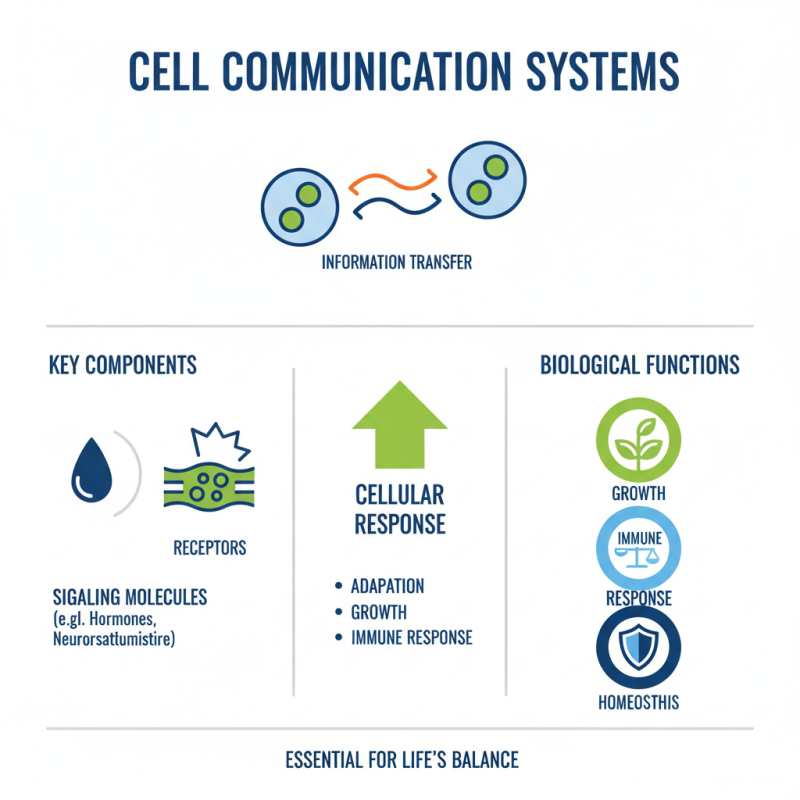
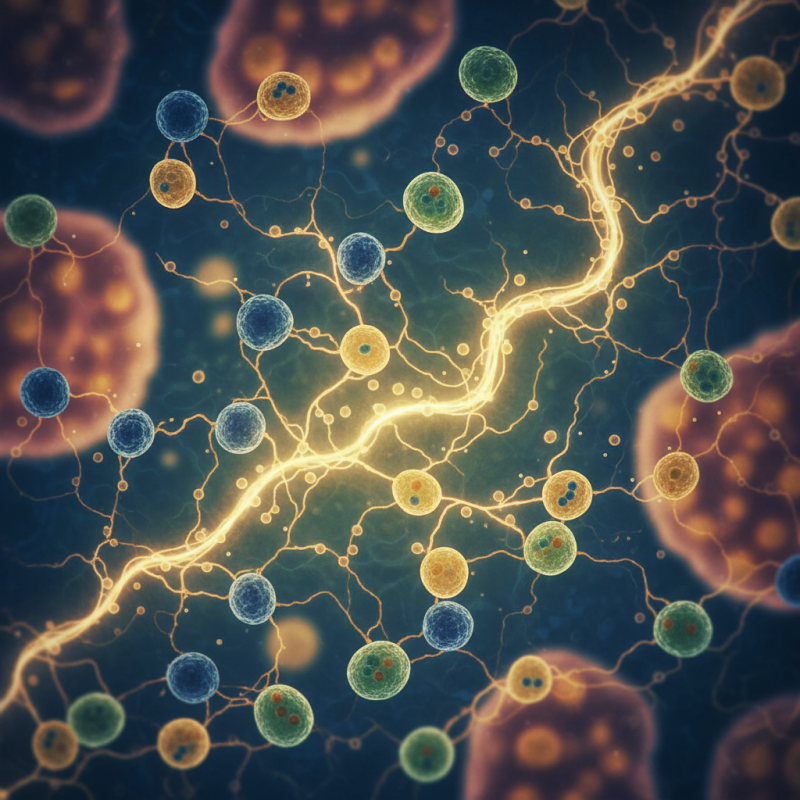
Cell communication systems are essential for maintaining the intricate balance of biological functions within living organisms. These systems facilitate the transfer of information between cells, enabling them to respond to various stimuli and coordinate their activities. By utilizing signaling molecules, such as hormones and neurotransmitters, cells can effectively communicate and adapt to changing environments, thus playing a crucial role in processes like growth, immune response, and homeostasis.
Understanding the different types of cell communication—such as autocrine, paracrine, endocrine, and juxtacrine signaling—is vital for appreciating their functions. Each type serves a unique purpose, from local signaling to long-distance hormonal communication. The importance of these systems cannot be overstated, as they are fundamental to the development and function of multicellular organisms. Disruptions in cell communication can lead to a variety of health issues, including cancer and autoimmune diseases.
**Tips:** When studying cell communication, focus on the signaling pathways and molecules involved in specific responses. Visual aids, such as diagrams of signaling cascades, can be particularly helpful in grasping complex concepts. Additionally, pay attention to the role of receptors, as they are fundamental to how cells interpret and respond to signals.
Types of Cell Communication: Autocrine, Paracrine, Endocrine, and Juxtacrine
Cell communication is a fundamental aspect of biological systems, allowing cells to interact and coordinate their activities. The different types of cell communication mechanisms are essential to maintain homeostasis and orchestrate responses to environmental signals. Key types include autocrine, paracrine, endocrine, and juxtacrine signaling, each with distinct functions and targets.
Autocrine signaling involves cells responding to signals that they secrete themselves. This type of communication is crucial for regulating cell growth and immune responses. For instance, a cell may release growth factors that bind to its own receptors, promoting its proliferation. In contrast, paracrine signaling occurs when cells send signals to neighboring cells in their local environment. This is important in processes such as tissue repair and inflammation, where nearby cells need to react swiftly to changes in their surroundings.
Endocrine signaling operates over longer distances, utilizing hormones released into the bloodstream to reach distant target cells throughout the body. This mechanism is vital for regulating metabolism, growth, and other systemic functions. Finally, juxtacrine signaling involves direct communication between cells through membrane-bound signals and receptors, allowing for highly localized interactions during development and tissue organization. Each of these communication types plays a crucial role in the intricate network of cellular interactions necessary for maintaining the organism's health and functionality.
Types of Cell Communication Systems
This chart illustrates the frequency of different types of cell communication systems. Autocrine signaling occurs most frequently, followed by paracrine signaling, while endocrine and juxtacrine signaling occur less frequently.
Mechanisms of Signal Transduction in Cellular Communication
Cellular communication is a vital process that allows cells to coordinate their functions and respond to changes in their environment. One of the key mechanisms underlying cell communication is signal transduction, which involves a series of molecular events triggered by the binding of signaling molecules, known as ligands, to specific receptors on the cell surface. This interaction initiates a cascade of intracellular signaling pathways, ultimately leading to various cellular responses.
There are several types of signal transduction mechanisms, including direct cell-to-cell communication, paracrine signaling, endocrine signaling, and synaptic transmission. In direct communication, cells connect through gap junctions that allow for the exchange of ions and small molecules, enabling rapid responses. Paracrine signaling involves the release of signals that affect nearby target cells, while endocrine signaling uses hormones to exert effects over longer distances across the bloodstream. Synaptic transmission occurs in the nervous system, where neurotransmitters facilitate communication between neurons. Each of these mechanisms plays a critical role in maintaining homeostasis, regulating growth and development, and facilitating responses to external stimuli.
Impact of Cell Communication on Physiology and Disease Mechanisms
Cell communication systems play a crucial role in maintaining homeostasis and coordinating physiological functions within the body. These systems utilize various signaling mechanisms, such as hormones and neurotransmitters, to facilitate communication between cells. This intricate network of communication allows cells to respond to external stimuli, regulate growth, and manage immune responses. Disruptions in these communication pathways can have significant implications for health, often resulting in pathological conditions.
The impact of cell communication on disease mechanisms is profound. For instance, cancer can arise from malfunctioning signaling pathways that regulate cell proliferation and apoptosis. When communication is compromised, it can lead to uncontrolled cell growth and tumor formation. Similarly, various autoimmune diseases stem from miscommunication within the immune system, causing it to mistakenly attack healthy tissues. Additionally, disruptions in neuronal signaling can contribute to neurodegenerative disorders, highlighting the essential nature of accurate cell communication in both physiology and disease. Understanding these mechanisms is vital for developing targeted therapies and improving health outcomes in affected individuals.
What is a Cell Communication System? Understanding Types and Functions - Impact of Cell Communication on Physiology and Disease Mechanisms
| Communication Type |
Mechanism |
Function |
Impact on Physiology |
Associated Diseases |
| Paracrine |
Local signaling via secreted molecules |
Regulates tissue growth and immune responses |
Promotes repair in injured tissues |
Cancer, inflammation |
| Endocrine |
Hormones released into bloodstream |
Regulates metabolism and homeostasis |
Maintains blood glucose levels |
Diabetes, hyperthyroidism |
| Neuronal |
Signal transmission via neurotransmitters |
Facilitates rapid communication |
Coordinates reflex actions |
Neuropathies, Alzheimer's |
| Autocrine |
Cells responding to their own signals |
Regulates cell growth and differentiation |
Maintains tissue integrity |
Cancer, autoimmunity |
| Juxtacrine |
Direct contact between neighboring cells |
Cell adhesion and communication |
Promotes tissue organization |
Developmental disorders |
Future Directions in Cell Communication Research and Biotechnology Applications
Recent advancements in cell communication research have unveiled exciting prospects for biotechnology applications, particularly in the realms of medicine and agriculture. One prominent direction is the development of targeted therapies that leverage the understanding of cell signaling pathways. By manipulating these pathways, researchers aim to create treatments that can precisely target diseased cells while minimizing damage to healthy tissue. This specificity is crucial in cancer treatment, where traditional therapies often affect both malignant and normal cells. Improved comprehension of cell communication mechanisms enables more effective drug design and delivery systems that can enhance therapeutic efficacy.
Additionally, the integration of synthetic biology into cell communication offers innovative strategies for bioengineering. Scientists are beginning to construct artificial signaling networks that can be programmed to respond to specific stimuli. Such engineered systems hold promise for applications in regenerative medicine, where they can guide stem cells to differentiate into targeted cell types. In agriculture, synthetic bioengineered plants capable of responding to environmental stresses through modified cell communication can lead to increased sustainability and crop resilience. As research continues to evolve, the focus on cell communication systems is poised to unveil new biotechnological solutions that address both health and environmental challenges.