China Best Digestarom Poultry Supplier and Price?

Choosing a China-based Digestarom Poultry supplier requires more than comparing a price list. Buyers should examine product identity, active botanical compounds, manufacturing controls, and technical support. A low quotation may hide higher freight costs, unclear dosage guidance, or weak batch documentation. That matters.

Dr. Andreas Lückstädt, a recognized specialist in phytogenic feed additives, has stated, “Phytogenics are not a magic bullet; they need a proper feeding strategy.” This principle is important for poultry producers. Digestarom Poultry should be assessed within the complete feeding program, farm conditions, disease-control plan, and production target. Results may differ between broilers, layers, and breeders. They may also change with diet quality, water management, climate, and stocking density.

This article will examine reliable Chinese supplier indicators, typical price factors, and practical purchasing questions. Readers should request a current specification sheet, certificate of analysis, safety documents, production date, shelf life, and batch traceability records. Supplier experience also matters. Ask for export references, formulation guidance, and controlled farm-trial evidence where available. Do not rely only on promotional claims.

Price is rarely a single number. Packaging, order volume, delivery terms, customization, testing, and shipping can change the final cost. Sometimes, the cheapest offer is not the best value. That is an uncomfortable lesson. A careful buyer should compare landed cost and expected performance, not only the quoted unit price. This balanced approach supports safer procurement, clearer expectations, and more dependable Digestarom Poultry decisions.
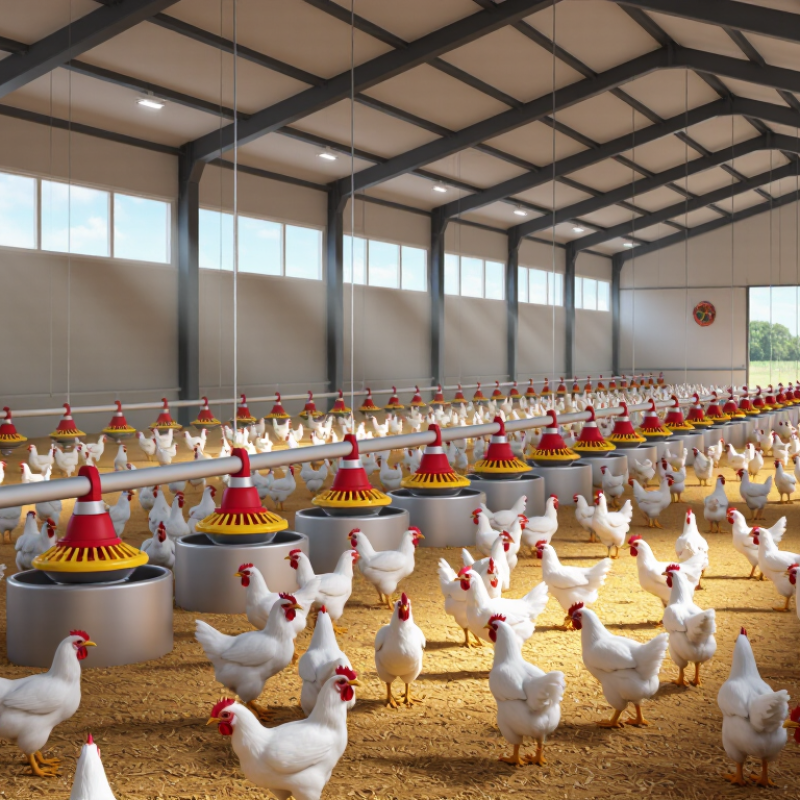
China Best Digestarom Poultry Supplier and Price?

What Is Digestarom and How Does It Support Poultry Health?

Digestarom is a phytogenic feed additive designed to support poultry digestion and feed efficiency. It commonly contains selected plant extracts, essential oils, or aromatic compounds. These ingredients may encourage normal digestive activity and help maintain a balanced intestinal environment. Healthy digestion can support better nutrient use, steady growth, and more consistent manure quality. However, it is not a medicine or a replacement for vaccination, biosecurity, clean water, or balanced feed.

In practical poultry management, results depend on bird age, diet quality, stress, housing, and dosage accuracy. Some flocks may show improved appetite or firmer litter. Others may show little visible change. That difference matters. Field performance should be checked through feed intake, body weight, mortality, litter condition, and production records. Scientific evidence can support phytogenic additives, but outcomes are not guaranteed in every farm setting.

Tips: Choose a product with clear ingredient details and feeding instructions. Confirm compatibility with the complete ration. Introduce it consistently, rather than changing several management factors at once. Store it in a cool, dry place. Ask a poultry nutritionist or veterinarian to review the program, especially during heat stress, digestive disorders, or sudden performance changes. Price should be compared by cost per bird or per ton of feed, not only by container size.

Key Benefits of Digestarom in Poultry Feed and Production

China Best Digestarom Poultry Supplier and Price?

Botanical feed additives can support poultry digestion, feed efficiency, and gut stability when diets are well balanced. OECD-FAO Agricultural Outlook 2024–2033 identifies poultry as the fastest-growing major meat sector. That growth increases pressure to control feed waste and production costs. In practice, a consistent additive may help birds use nutrients more efficiently. Results still depend on formulation, age, breed, and farm hygiene.

The main benefit is practical, not dramatic. Better digestive function can support steadier manure quality, litter condition, and daily weight gain. Some published poultry trials report improved feed conversion ratios, often by roughly 2–5%, but outcomes vary widely. That range matters. It prevents unrealistic purchasing claims. EFSA guidance also emphasizes evidence under defined target conditions, not only laboratory results. Buyers should request trial protocols, active-component specifications, batch testing, and storage data.

Price comparisons need more than a kilogram quotation. A lower inclusion rate may reduce the cost per tonne of feed, even when the product price is higher. Suppliers should disclose minimum order quantities, lead times, packaging, and technical support. Independent testing is worth considering. Not every claimed benefit survives commercial conditions. A careful supplier accepts that limitation and helps measure results on the farm.

China Best Digestarom Poultry Supplier and Price? - Key Benefits of Digestarom in Poultry Feed and Production

Evaluation Dimension Typical Poultry Reference Data Potential Role of a Phytogenic Feed Additive Recommended Measurement Method
Broiler feed conversion ratio Approximately 1.50–1.80 kg feed per kg live weight at market age, depending on genetics, diet, housing and management. Botanical compounds may support digestive function, feed utilization and intestinal microbial balance. Results are farm- and diet-dependent. Record total feed intake and live-weight gain by flock; calculate corrected FCR at a consistent market weight.
Daily weight gain Commercial broilers commonly achieve about 50–70 g/day during the main growing period, with performance varying by strain and climate. May help maintain appetite and nutrient digestion when birds experience heat, stocking or feed-quality stress. Weigh representative birds weekly and compare with the farm’s historical flock baseline.
Flock mortality and culling Well-managed broiler flocks often target cumulative mortality and culling below approximately 3–5%, although local conditions differ. A stable gut environment can support general resilience, but additives cannot replace vaccination, biosecurity or veterinary care. Track daily mortality, culling reasons, veterinary diagnoses and changes in feed or housing.
Laying performance Peak hen-day egg production is commonly around 85–95% in well-managed commercial layers. Phytogenic ingredients may support feed intake, digestion and consistency of production during environmental stress. Record hen-day egg production, feed intake per dozen eggs, egg weight and livability.
Eggshell quality Commercial egg breakage and cracks are commonly monitored against a farm target of approximately 2–5% or lower. Any benefit is generally indirect and depends mainly on calcium availability, phosphorus balance, vitamin D status, age and housing. Measure cracked eggs, shell thickness, shell breaking strength and mineral supply in the complete diet.
Feed additive inclusion Commercial phytogenic products are commonly applied at supplier-specified rates, often expressed in grams per metric ton of complete feed. The correct dosage depends on product concentration, bird category, feed formulation and applicable regulations. Confirm the technical specification, active-compound concentration, recommended dosage and mixing instructions before use.
Indicative non-branded price Generic phytogenic feed-additive quotations may vary broadly, often around US$4–15 per kg before freight, taxes and regulatory costs. The lowest purchase price is not necessarily the lowest cost per ton of feed or per kilogram of live weight produced. Compare delivered cost, inclusion rate, active concentration, minimum order quantity, shelf life and test results.
Supplier qualification Reliable feed-additive procurement requires traceability, batch consistency and documented quality control. A qualified supplier should provide a specification sheet, certificate of analysis, safety data and clear storage conditions. Audit production controls and verify identity, moisture, microbiological limits, heavy metals, batch number and expiry date.

Note: The figures above are general industry reference ranges for planning and comparison. Actual outcomes and prices depend on formulation, bird genetics, farm management, climate, logistics and local regulations.

How to Select a Reliable Digestarom Poultry Supplier in China

Selecting a reliable poultry feed additive supplier in China requires more than comparing prices. Price matters, but it should not lead the search. Check the supplier’s product specification, production capacity, quality system, and export experience. Ask for a recent certificate of analysis, batch number, ingredient origin, shelf life, and recommended storage conditions. These details show whether the supplier understands practical poultry nutrition.

Request a small sample before placing a large order. Test its appearance, odor, mixing performance, and effect in your own feed process. A professional supplier should explain dosage clearly and provide technical documents without avoiding difficult questions. Visit the factory when possible. Look at clean production areas, labeled raw materials, laboratory equipment, and traceable records. Photos are useful, but they are not proof.

My first supplier comparison was too narrow. I focused heavily on the quoted price and overlooked delivery consistency. That mistake increased operating pressure. Now I compare total cost, including packaging, shipping, testing, payment terms, and possible delays. A reliable supplier should communicate quickly and admit limitations. Perfect claims deserve caution. Confirm whether the product meets your destination’s feed regulations and import requirements. Keep written records for every specification change. Small gaps can become expensive later.

How to Select a Reliable Digestarom Poultry Supplier in China

A practical 100-point procurement framework for comparing poultry digestive-feed-additive suppliers, focusing on compliance, quality, performance evidence, supply reliability, cost, and technical support.

Compliance and quality consistency receive the highest weighting because feed-additive buyers typically need documented regulatory conformity, stable specifications, batch traceability, and repeatable product performance. Price should be evaluated as landed cost rather than unit price alone.

Factors That Influence Digestarom Poultry Prices in China

China’s poultry additive prices are shaped by more than factory quotations. The China Feed Industry Association reported 321.6 million tonnes of industrial feed production in 2023. This large market supports volume pricing, but it also creates uneven demand between provinces.

A buyer in Shandong may receive a different offer than a smaller farm in Guangdong. Freight, warehouse distance, order size, and delivery timing all matter.

Raw materials remain the main pressure point. Enzyme carriers, plant extracts, vitamins, and packaging materials respond to energy and agricultural costs.

The FAO Food Price Index and FAO Food Outlook show how grain and oilseed movements can affect feed economics, even when additive formulas change slowly. Currency exchange rates also influence imported inputs and laboratory equipment. Small changes can become visible in the final quotation.

Poultry health and production cycles matter too. USDA’s 2024 China poultry report estimated chicken meat production at about 14.3 million metric tons. Strong demand can tighten supply and raise purchasing activity.

Seasonal disease-control spending may also change dosage preferences. Technical documentation, batch testing, shelf life, and regulatory compliance add legitimate costs. Cheap is not always efficient.

Yet suppliers sometimes overstate performance, and buyers should question unsupported feed-conversion claims. Comparing active content, recommended dosage, test results, and delivered cost gives a more reliable price view. Mistakes happen. A careful trial still matters.

Quality Standards, Packaging, and Ordering Considerations for Buyers

When evaluating a China-based poultry feed additive supplier, buyers should examine quality evidence, not attractive claims. Request a current specification sheet and certificate of analysis for every production batch. Check active-component levels, moisture, microbial limits, heavy metals, and shelf life. Batch traceability matters. Each lot should connect clearly to raw materials, production records, and testing results. Suppliers following recognized feed-safety systems may provide GMP, HACCP, or ISO documentation, but certificates should be verified with the issuing organization.

Packaging protects quality during storage and transport. A practical format may include a sealed inner liner inside a strong fiber drum or multiwall bag. The label should show product name, batch number, net weight, production date, expiry date, storage temperature, and handling instructions. Moisture can damage botanical powders quickly. Ask whether desiccants, pallet wrapping, or temperature monitoring are needed for long shipments. Small details matter here.

Ordering should begin with a representative sample and a written technical agreement. Confirm minimum order quantity, production lead time, loading port, payment terms, and shipping responsibilities. Clarify whether testing occurs before dispatch or after arrival. Keep reserve samples for comparison. I have seen buyers focus too much on price and overlook inconsistent color or poor sealing. That mistake can become expensive. A lower quote is not always a lower total cost. Auditing the factory or using an independent inspection service adds practical confidence, though no process is perfect. Recheck assumptions before placing a large order.

chevron-down