How to Choose the Best Sleep Monitoring Technology in 2026?
In 2026, choosing the best Sleep Monitoring Technology can seem daunting. Numerous devices and apps promise better sleep, but not all are effective. It is essential to consider what specific features will truly enhance your sleep quality.
Expert insights suggest focusing on accuracy and user feedback. Reliable sleep monitoring technology should provide detailed analytics on sleep patterns. Look for devices that track various sleep stages and offer personalized tips. Many products claim to help, but don’t let flashy marketing sway your decision.
Reflect on your sleep challenges. Do you struggle with insomnia, or do you need help waking up refreshed? Identify your needs, as not every device suits everyone. Trustworthy reviews and testimonials can guide your choice, helping you navigate this crowded market. Be critical and deliberate in your selection.
Understanding Sleep Monitoring Technology: An Overview
Understanding sleep monitoring technology is essential for making informed decisions about your sleep health. In 2026, various technologies will be available, each offering unique benefits. These tools range from wearable devices to smart home integrations. Many people seek accurate and reliable data on their sleep patterns. Awareness of what to look for can help in choosing the right technology.
When selecting a sleep monitor, consider accuracy and features. Look for devices that track multiple aspects of sleep, such as duration and restfulness. Some monitors may lack crucial functionalities. Ensure you review customer feedback and expert analyses before deciding. Sleep is intricate, and the right technology should cater to your individual needs.
Tips: Always test how a device fits into your nightly routine. A device may provide results but be uncomfortable for regular use. Consider switching it out if you notice it's impacting your quality of sleep. Remember that data from sleep monitors can be overwhelming. Focus on a few key metrics that matter most to you rather than trying to track everything.
Key Features to Look for in Sleep Monitoring Devices
When selecting sleep monitoring technology in 2026, it is vital to focus on features that enhance reliability and user experience. Sleep tracking accuracy is key. A recent study revealed that devices with advanced sensors can capture over 90% of sleep cycles accurately. Look for products that use multiple sensors, including heart rate, motion, and even blood oxygen levels. This fusion of data helps paint a clearer picture of sleep quality.
Another crucial aspect is data analysis and reporting. Devices that offer actionable insights are preferable. According to experts, understanding sleep patterns can lead to improved sleep hygiene. A system that provides personalized recommendations based on collected data can significantly impact your nightly rest. Furthermore, consider the ease of access to this information. A clear, user-friendly interface enhances engagement and motivation for users.
It’s essential to remain aware of privacy concerns associated with sleep data collection. Make sure the device you choose prioritizes user privacy and offers transparent data policies. In a landscape where 68% of people express concern over their digital privacy, this feature cannot be overlooked. Evaluate devices not just on the tech specs but also their ethical considerations in handling personal health data. The best choice balances functionality with respect for your privacy.
Comparing Different Sleep Tracking Methods: Wearable vs. Non-Wearable
When considering sleep tracking methods, the choice between wearable and non-wearable technology proves crucial. Wearable devices, like smartwatches or fitness trackers, gather real-time data on your movements and heart rate. They provide detailed insights about your sleep stages, like deep or REM sleep. This information can be helpful, but it may not always be entirely accurate. Some individuals find that wearing a device to sleep disrupts their natural rest.
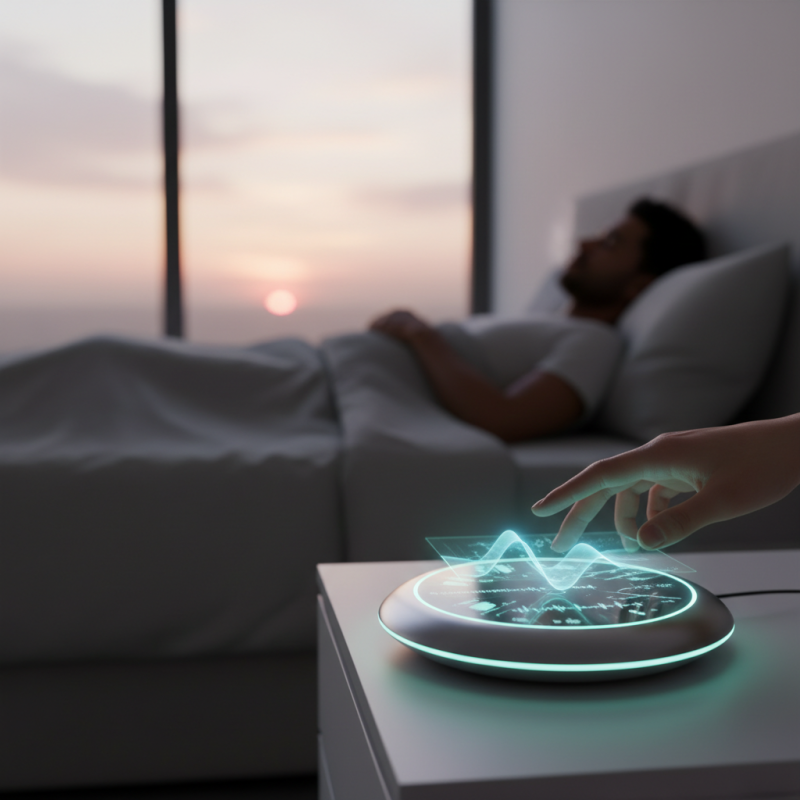
On the other hand, non-wearable methods can offer different benefits. These might include bedside sensors or smartphone applications that analyze sleep patterns without any physical contact. They tend to be more comfortable for restless sleepers. However, these technologies may not be as precise in their measurements. They rely heavily on algorithms that interpret motion or sound, and their accuracy can vary significantly.
Personal preferences play a significant role in this decision. Some people are motivated by data and appreciate the feedback that wearables provide. Others prefer the simplicity and comfort of a non-wearable approach. Reflecting on your own sleep habits could lead to better choices. It’s essential to evaluate your needs. Are you looking for detailed metrics? Or do you favor a more relaxed and unobtrusive method?
Evaluating Accuracy and Reliability in Sleep Data Collection
When selecting sleep monitoring technology, accuracy and reliability are paramount. A device’s ability to collect precise sleep data often dictates its usefulness. Many options on the market utilize various methods for tracking sleep, including movement sensors and heart rate monitors. However, not all are created equal. Research indicates that some devices overestimate sleep duration while underreporting wakefulness. This can lead to misguided conclusions about sleep health.
Evaluating reliability requires looking beyond user reviews. Seek studies or meta-analyses that evaluate the technology's performance. A product may be popular, but that does not guarantee its accuracy. Check for peer-reviewed research or endorsements from sleep specialists. Gaps in independent validation often reveal limitations in a device’s claims. Authentic sleep analysis involves understanding the nuances and complexities of sleep patterns.
Lastly, consider the user interface and accessibility of sleep data. Clarity in reporting is crucial. Complex data without context can be misleading. Some users might find features appealing but struggle to interpret the data meaningfully. Look for technologies that provide actionable insights rather than just numbers. A perfect solution may not exist. A reflective approach can make for better decisions in choosing sleep monitoring tools.
How to Choose the Best Sleep Monitoring Technology in 2026? - Evaluating Accuracy and Reliability in Sleep Data Collection
| Technology Type | Accuracy (%) | Battery Life (hours) | Data Sync Method | User Rating (out of 5) |
| Wearable Device | 95 | 48 | Bluetooth | 4.5 |
| Smart Mattress | 90 | 72 | Wi-Fi | 4.3 |
| Sleep Tracker App | 85 | N/A | Mobile Data | 4.0 |
| Smart Pillow | 88 | 24 | Bluetooth | 4.2 |
| Sleep Tracking Device | 92 | 60 | Wi-Fi | 4.6 |
Budget Considerations: Finding Value in Sleep Monitoring Solutions
When selecting sleep monitoring technology, budget plays a crucial role. The sleep tech market is projected to reach $12.2 billion by 2026, according to industry research. With numerous options available, finding a solution that offers value without overspending is essential. Many devices promise comprehensive tracking and analysis, but not all are necessary for effective sleep management.
Consumers should focus on key features such as accuracy, usability, and data privacy. Surprisingly, many high-end devices collect excessive data that may not enhance your sleep insights. For example, while some gadgets offer sleep stage monitoring, a study found that heart rate variability is often a more reliable predictor of sleep quality. Spending less on unnecessary features can free up your budget for essential tools or apps that genuinely improve your sleep experience.
It's also important to consider ongoing costs. Many sleep tracking solutions come with subscription fees for advanced analytics. A report indicated that nearly 40% of users abandon these subscriptions after a few months. To avoid wasting money, ensure that any product you choose aligns with your long-term sleep goals. Evaluating both upfront and ongoing costs can help your investment yield the best results for restful sleep.