How to Choose the Best Food Safety Kits for Your Home?
Choosing the right Food Safety Kits for your home can be overwhelming. Expert Sarah Thompson, a food safety consultant, states, “Having the right tools can prevent many foodborne illnesses.” It highlights the importance of making informed choices.
In today’s world, food safety cannot be overlooked. Contaminated food can lead to serious health issues. Food Safety Kits provide essential items that help you manage risks. These kits can include thermometers, cleaning supplies, and storage solutions. Each component plays a vital role in your food handling process.
However, the challenge lies in selecting the best kit for your needs. Not every kit will suit every household. Take time to assess your cooking habits, food types, and storage conditions. Reflect on your kitchen’s unique demands. Investing in the right Food Safety Kits is a personal journey. It involves evaluating what works for you and recognizing potential gaps in your current practices.
Understanding Food Safety Kits and Their Importance for Home Use
Food safety kits play a crucial role in maintaining hygiene at home. These kits help families prevent foodborne illnesses. According to the CDC, approximately 48 million people get sick from food each year in the U.S. alone. The importance of ensuring food safety cannot be overstated.
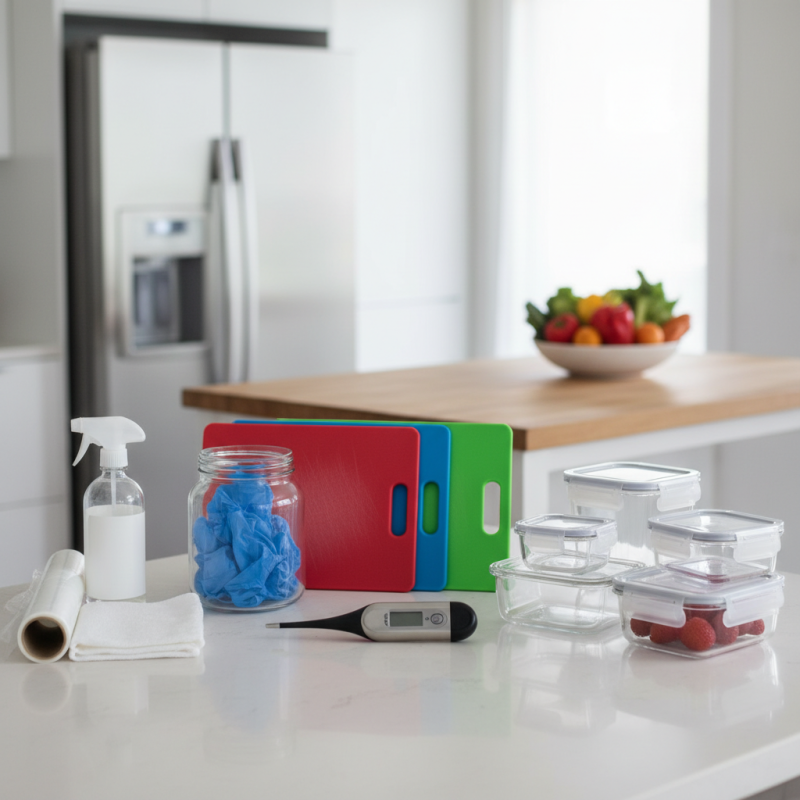
A typical food safety kit includes thermometers, gloves, and sanitizers. Each component serves a specific purpose. A digital thermometer ensures meats are cooked to safe temperatures. Gloves prevent cross-contamination during food preparation. Yet, many households overlook these simple tools. It's surprising how a lack of awareness contributes to food safety issues.
Many people assume they have adequate safety practices in place. However, data from food safety surveys indicate that only 30% of consumers use a food thermometer regularly. This lack of consistent usage can lead to serious health risks. Misunderstandings about safe food handling, preparation, and storage can exacerbate these risks. It's essential to reflect on your practices to ensure your family remains safe.
Key Features to Look for in a Food Safety Kit
Choosing the right food safety kit is essential for maintaining a healthy kitchen. When selecting a kit, consider the key features that make it effective. Look for items like food thermometers, which are crucial for ensuring that meat reaches safe temperatures. A study by the USDA emphasizes that cooking food to the right temperature can reduce foodborne illnesses by up to 50%.
Additionally, the presence of comprehensive guides or checklists can enhance your food safety practices. These resources help users understand proper food handling, storage, and preparation techniques. Some kits may lack clear instructions, which can lead to improper use. Always check for accuracy and clarity in these materials.
Testing strips for pH levels and sanitization may be included in high-quality kits. Effective sanitizing helps eliminate harmful bacteria. The CDC reports that about 1 in 6 Americans get sick from food each year. Not all kits address this critical aspect. Therefore, ensure your chosen kit provides these vital tools. Remember, not every kit will meet high standards. Always question what you choose for the safety of your home.
Key Features to Look for in a Food Safety Kit
Types of Food Safety Kits Available on the Market
When looking for food safety kits, it's essential to know the types available. Basic kits typically include thermometers, test strips, and charts for safe food handling. These tools help prevent foodborne illnesses, a significant concern. The Centers for Disease Control and Prevention (CDC) reports that 48 million people get sick from food every year in the U.S. This statistic highlights the importance of reliable food safety kits.
Advanced kits may feature more specialized equipment. Some include vacuum sealers, pH meters, or allergen test kits. These items offer additional protection. For example, proper pH levels help control bacteria growth in certain foods. However, many homeowners overlook the need for these advanced tools. An Allure study indicated that 25% of people never check food safety labels or guidelines.
Kits can vary greatly in price and quality. A low-cost kit may not include all essential items, leading to gaps in safety measures. Research shows that investing in high-quality tools can improve food safety outcomes. However, many consumers still prioritize convenience over completeness, which may lead to unsafe practices. Moreover, while it’s tempting to choose the most comprehensive options, not everyone requires all features. People must assess their unique needs and usage scenarios for best results.
Assessing Your Home's Specific Food Safety Needs
When assessing your home's food safety needs, consider the size of your household. A family of four may require more comprehensive kits than a single-person household. Think about your cooking habits too. Do you often prepare raw ingredients? If yes, you might need additional tools to ensure food handling is safe.
Don’t overlook potential kitchen hazards. Cross-contamination can happen easily. A simple cutting board can be a breeding ground for bacteria if it’s not cleaned properly. Tools that promote separation of raw and cooked foods are essential. Evaluate if your current setup helps minimize these risks.
Check expiration dates and storage guidelines for your food items. Old or improperly stored food can pose significant health risks. You might find that your pantry contains expired items. A regular inventory audit can help you stay on top of this issue. Remember, keeping food safety kits organized reflects your commitment to health. Regularly assess how you can improve your food safety practices at home.
Tips for Proper Use and Maintenance of Food Safety Kits
Maintaining food safety kits is crucial for ensuring the safety of your meals. Regularly check the expiration dates on all components. According to the Food Safety and Inspection Service, over 48 million people get sick from foodborne illnesses each year. This statistic emphasizes the need for proper maintenance of safety kits.
Use the right tools for monitoring food temperature. A simple digital thermometer can help you avoid undercooked meats. Additionally, keep your kits organized. Group items by function and store them in a dry, cool place. Failing to do so may lead to unnecessary contamination.
Remember that cleaning is just as important. The Centers for Disease Control and Prevention recommend washing hands for at least 20 seconds. Wipe down surfaces after each use. Also, review your food safety kit quarterly. This way, you can replace expired items and ensure everything is functional.