What is DL-Methionine and Why is it Important in 2026?
DL-Methionine is an essential amino acid with growing importance in 2026. It plays a critical role in animal nutrition and human health. According to a report by the Global Feed Market Analysis, the demand for DL-Methionine is projected to rise by over 10% annually. This growth reflects its vital position in enhancing feed efficiency, promoting growth, and improving overall animal health.
Dr. Emily Richards, a leading expert in animal nutrition, states, "DL-Methionine is crucial for achieving optimal growth rates in livestock." This highlights the compound's significance in maintaining sustainable livestock production and meeting increasing global food demands. However, challenges remain, such as sourcing raw materials and optimizing production processes. Furthermore, as the industry evolves, the focus will shift towards alternative methods of production, including fermentation technology.
As we delve into the intricacies of DL-Methionine, it’s clear that while the opportunities for growth exist, the path forward is not without its hurdles. Striking a balance between innovation and sustainability will be key. How the industry navigates these challenges will determine DL-Methionine’s role in shaping future food systems.
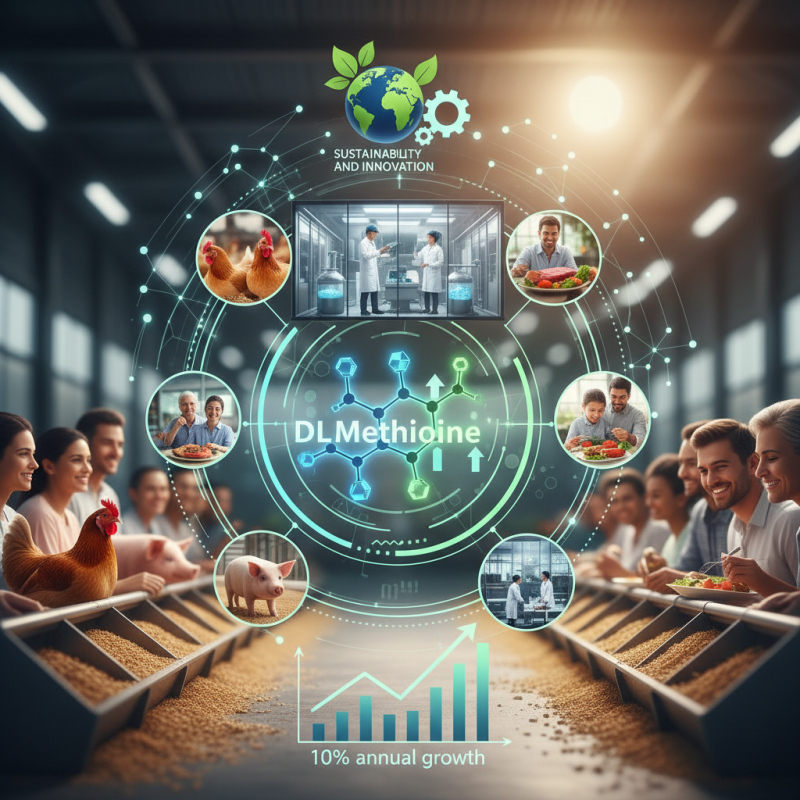
What is DL-Methionine and its Chemical Structure?
DL-Methionine is an essential amino acid. Its chemical structure consists of a sulfur atom, a carboxyl group, an amino group, and a side chain. This unique composition contributes to its vital roles in metabolism. It is categorized as a non-polar, aliphatic amino acid. The structure gives it distinct properties compared to other amino acids.
One of its key functions is serving as a building block for proteins. Without adequate methionine, protein synthesis can be impaired. This can lead to various health issues. Methionine also plays a role in detoxification. It helps the body process harmful substances. Many dietary sources include meat, fish, and dairy.
Tips: Ensure a balanced diet to maintain methionine levels. Consider plant-based sources like nuts and seeds if you follow a vegetarian diet. Remember, excessive methionine can be harmful. Moderation is key. Pay attention to your body’s needs. Your health is unique, and so should your nutrition be.
The Role of DL-Methionine in Human Nutrition and Health
DL-Methionine is an essential amino acid that plays a vital role in human nutrition. It is a building block for proteins and is crucial for various biological processes. In 2026, understanding its importance has become more relevant than ever. Methionine supports metabolism and promotes growth. It also helps with detoxification in the liver.
A key function of DL-Methionine is its role in synthesizing other amino acids. This contributes to overall health and wellness. Many people may not get enough of this nutrient in their diets. This can lead to potential deficiencies, causing fatigue and metabolic issues. Balanced nutrition is essential for maintaining mental and physical health.
Tip: Include foods rich in sulfur, such as eggs and nuts, to boost methionine intake. Consider your dietary choices carefully. Not everyone may be aware of their body's needs. Listening to your body can help identify deficiencies. It’s necessary to reflect on personal nutrition habits and make adjustments when needed. Embrace a varied diet for better health outcomes.
What is DL-Methionine and Why is it Important in 2026?
| Nutritional Aspect | Importance | Health Benefits | Sources | Recommended Daily Intake |
| Amino Acid | Essential for protein synthesis | Supports muscle growth and repair | Meat, dairy, eggs, nuts | 13 mg/kg of body weight |
| Sulfhydryl Group | Key for antioxidant activity | Helps detoxification processes | Legumes, seeds, spinach | As needed for antioxidant support |
| Methylation | Crucial for cellular functions | Important for DNA synthesis | Whole grains, fish | Varies based on diet |
| Neurotransmitter Support | Involved in neurotransmitter regulation | Enhances mood and cognitive function | Poultry, beef, dairy products | Based on individual needs |
Applications of DL-Methionine in Animal Feed and Agriculture
DL-Methionine is a key amino acid important for animal nutrition. It is essential for protein synthesis and overall growth. In 2026, its significance is even greater within the agricultural sector. With the global demand for meat increasing, effective feed additives are crucial. According to industry reports, the use of DL-Methionine in animal feed can improve meat quality and yield. Studies indicate a potential growth rate increase of 10% in livestock.
In poultry farming, DL-Methionine plays a vital role. It supports egg production and improves hatchability rates. Research shows that feeding chickens with proper methionine levels can enhance feathering and health. However, challenges remain. Over-reliance on synthetic amino acids can lead to imbalances in animal diets. Farmers must carefully consider the proportions and combinations of nutrients.
DL-Methionine isn't just about profit; it also impacts agricultural sustainability. Efficient feed reduces waste and lowers the carbon footprint. It is reported that using methionine in feed can cut down feed costs by up to 5%. However, there is room for improvement in sourcing. Sustainable production methods need deeper exploration. Farmers and producers might face tough decisions: prioritize cost or sustainability?
Future Trends and Research Directions for DL-Methionine in 2026
DL-Methionine is gaining attention in various industries. In 2026, its role in animal feed and nutrition will be significant. According to industry reports, the global demand for DL-Methionine is projected to increase by 7% annually. This growth reflects the rising need for high-quality protein sources in livestock production.
Research is highlighting its benefits. Studies show that DL-Methionine boosts growth and improves feed efficiency in poultry and swine. Moreover, many consider it essential for animal health and performance. However, challenges remain. The production process needs optimization to reduce costs. Sustainable sourcing is also an important concern.
Future trends indicate a focus on innovative applications. For example, the potential use of DL-Methionine in aquaculture is under study. There is interest in its role in enhancing fish health. These areas require more research and technological advancements. Addressing these issues will ensure sustainable growth in the industry. The path forward is complex, but the potential is clear.
Potential Challenges and Regulations Surrounding DL-Methionine Use
DL-Methionine plays a crucial role in various industries, especially in animal nutrition. However, its usage presents some potential challenges. The growing demand for high-quality animal feed raises concerns about the sustainability of sourcing methionine. Over-reliance on certain production methods could lead to environmental issues. The production processes may also face regulatory scrutiny as more countries tighten their environmental standards.
Another challenge involves quality control. Variability in purity levels can lead to inconsistent animal growth rates. Not all DL-Methionine sources are equal, and without strict regulations, some products may not meet necessary safety standards. This inconsistency may affect livestock health, causing economic losses for farmers.
Regulatory frameworks can be complex and vary greatly across regions. Continuous monitoring is needed to ensure compliance. Approaches to regulation may hinder innovation in production methods, limiting advances that could improve efficiency. The industry must work together to balance safety and progress, addressing these challenges to ensure a reliable supply of DL-Methionine while adhering to environmental standards.
DL-Methionine Importance and Consumption Trends (2026)