Top Tips for Managing Topical Exposure Effectively
Managing topical exposure can be challenging but is essential for effective health and safety practices. Understanding how to handle substances applied to the skin or mucous membranes is crucial. Topical exposure can produce both beneficial and adverse effects, depending on the substance in question. Those working in environments where such exposure occurs must pay attention and adapt accordingly.
Workers may underestimate the risks associated with topical exposure. It is common to overlook proper protective measures or fail to follow safety guidelines. This negligence can lead to harmful consequences. Therefore, implementing best practices in managing topical exposure is vital. Ensuring everyone on the team understands the importance of proper handling can prevent accidents and promote safety.
Regular training and awareness sessions can help reinforce the message. Additionally, having clear protocols in place can guide individuals in high-risk environments. Evaluating one’s approach to topical exposure management is a continuous process, requiring attention and reflection. By addressing potential gaps, teams can enhance their safety and health practices effectively.

Understanding Topical Exposure: Definition and Importance
Topical exposure refers to the contact of substances with the skin. This interaction is significant as it can lead to both beneficial and harmful effects. For instance, some topical treatments can heal, while others may irritate the skin. Understanding this balance is crucial for effective management.
Awareness of skin types and conditions is essential. Not everyone reacts the same way to the same product. Testing a small area on the body can uncover potential reactions. Even widely accepted products might not suit all individuals. This trial-and-error process can be frustrating, yet it is necessary.
Moreover, the frequency and amount of product applied play a pivotal role. Overapplication does not guarantee better results. In fact, it may exacerbate issues. Observing the skin's response over time helps in adjusting these factors. It’s essential to remain flexible and open to change. Embracing a mindset of ongoing learning is vital for mastering topical exposure management.
Identifying Common Sources of Topical Exposure in Daily Life
In our daily lives, topical exposure occurs more often than we realize. It involves any contact of substances with our skin. Common sources include personal care products, cleaning agents, and even certain fabrics. A report from the Environmental Working Group highlights that many skin-care products contain over 80,000 chemicals. This statistic may seem shocking.
Household cleaning products could be another source. Many contain harsh ingredients that can irritate the skin. For example, a study published in the Journal of Dermatological Science found that nearly 30% of households use products with known skin allergens. Even clothing, particularly those treated with pesticides or dyes, can contribute to topical exposure. Surprising, right?
Paying attention to these sources is essential. However, acknowledging the potential danger is only the first step. Many individuals continue to use familiar products without questioning their safety. This can lead to an accumulation of irritants on the skin, amplifying sensitivity over time. A mindful approach toward choices is necessary, but often, such awareness is lacking. Remembering that even everyday items can impact skin health is crucial in managing exposure effectively.
Topical Exposure Sources in Daily Life
Effective Strategies for Reducing Topical Exposure Risks
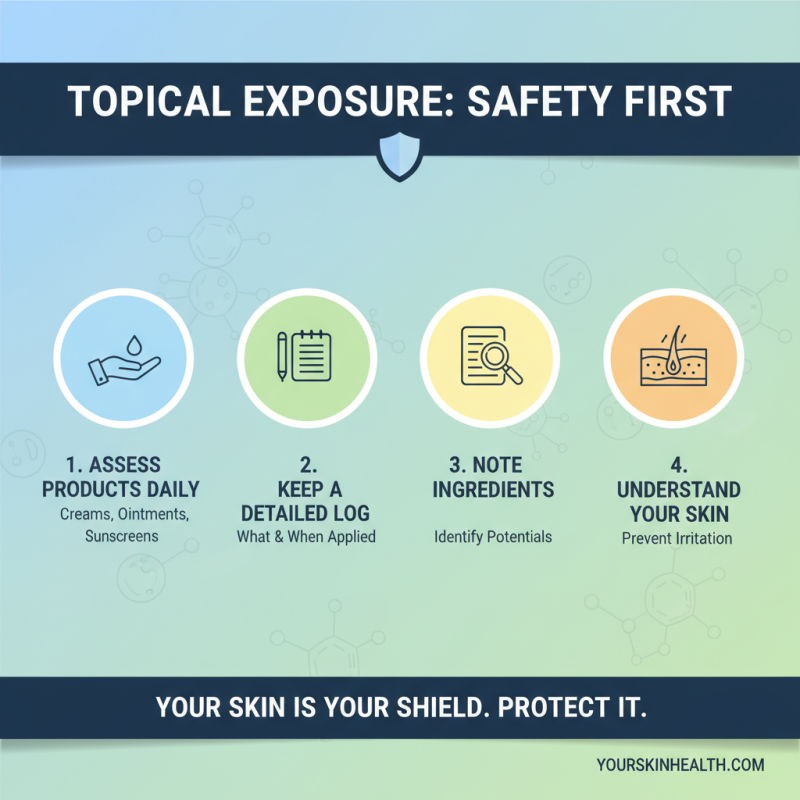
When managing topical exposure, it's crucial to implement effective strategies. Start by assessing your environment. Identify potential irritants or allergens. This helps you know what to avoid. Keep track of products used on your skin. A simple journal can be invaluable. You might forget what you used last week. Review it to spot reactions.
Consider using barriers like protective clothing. These can reduce direct skin contact with harmful substances. Additionally, be mindful of the conditions surrounding topical exposure. Humid weather may amplify reactions. Stress can also play a role. Recognizing triggers is vital for prevention.
Educate yourself about skin reactions. Online resources can provide helpful information. Consult a professional if needed. They can guide you on specific ingredients to avoid. A well-informed approach is better than trial and error. Engage in conversations with those who have similar issues. Their experiences can offer real insights. Mistakes will happen, and that's okay; learning is part of the process.
Best Practices for Safe Handling of Topical Products and Substances
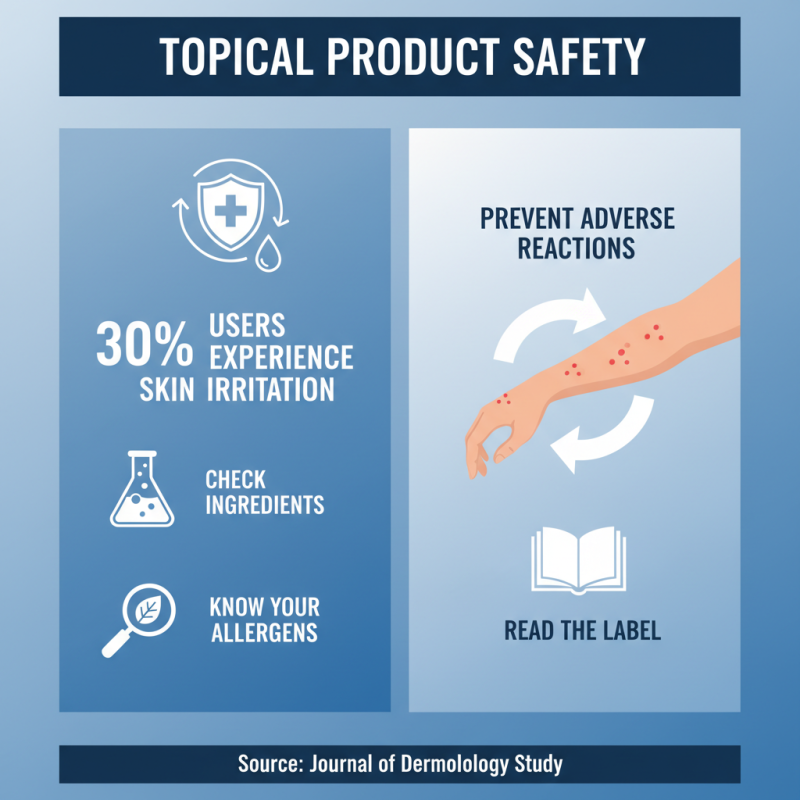
When handling topical products, safety is paramount. According to a study published in the Journal of Dermatology, around 30% of users report experiencing skin irritation after using topical substances. This highlights the importance of understanding product formulations and potential allergens. Always check ingredient lists. Knowing your sensitivities can prevent adverse reactions.
Proper storage is another vital practice. Products should be kept away from direct sunlight and extreme temperatures. The American Academy of Dermatology recommends storing them in a cool, dry place. This helps maintain efficacy and safety. Ensure containers are tightly sealed to avoid contamination.
Educating yourself about the proper application techniques can minimize exposure risks. The World Health Organization suggests using a pea-sized amount for localized treatments. Many users apply more than necessary, increasing the risk of side effects. Rethink application routines. Regularly reassess your sensitivity to different formulations, as skin conditions may change over time.