Top Cell Culture Equipment You Need for Successful Experiments?
In the rapidly evolving field of biotechnology, cell culture equipment plays a pivotal role in research and development. According to a report by Research and Markets, the global cell culture equipment market is expected to reach $4.02 billion by 2026, driven by the increasing demand for innovative therapeutics. As stated by Dr. Emily Zhang, a leading expert in cell biology, "Quality cell culture equipment is essential for reproducible and reliable experimental results."
Cell culture equipment encompasses a variety of tools, including incubators, bioreactors, and culture flasks. Each component is designed to create optimal growth conditions for cells. However, researchers must carefully assess their specific needs, as not all equipment suits every experiment. Relying exclusively on high-end products might not guarantee success if the experimental design isn’t robust.
Moreover, the investment in cell culture equipment can be substantial. This financial commitment requires critical evaluation of available resources. It is vital to balance quality and budget while aiming for successful results. Researchers often struggle with the complexities of selecting the right equipment for diverse applications. A reflective approach to these challenges can ensure more effective utilization of cell culture capabilities.
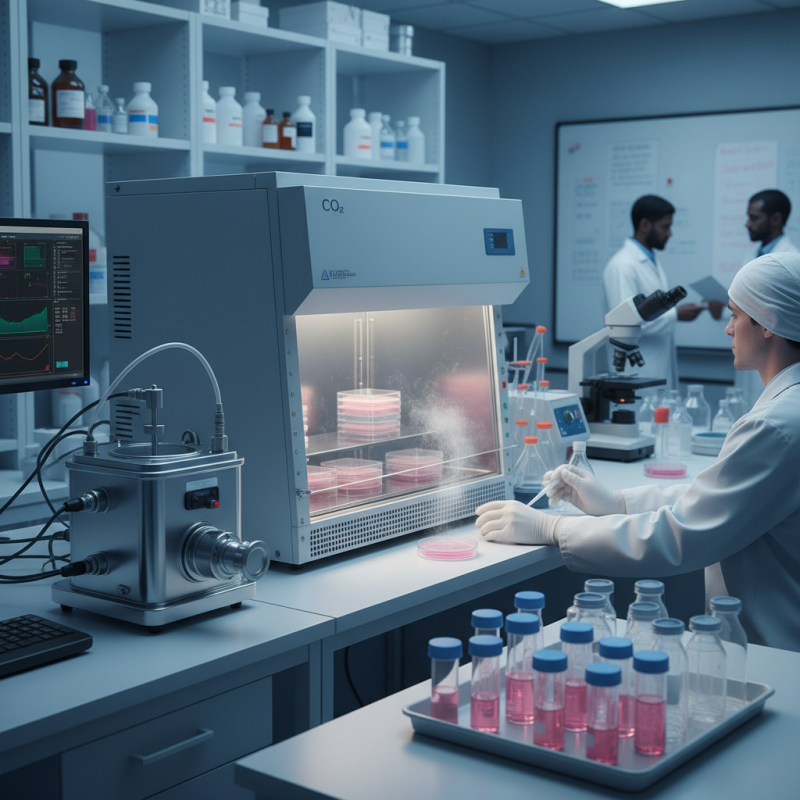
Essential Cell Culture Vessels: Types and Applications in Research
Cell culture is a fundamental part of biological research. The choice of vessels impacts the experiment's success. Standard choices include flasks, dishes, and plates. Each type serves its purpose. For instance, T-25 and T-75 flasks are typical for standard culture. Petri dishes are ideal for cloning and isolation of colonies.
Research indicates a rise in the demand for multi-well plates. According to a 2022 report by BioTech Industry, the market for these plates could exceed USD 1.5 billion by 2025. They enable high-throughput screening, a crucial aspect of drug development. However, many labs still rely on traditional methods. This may slow progress.
Choosing the right vessel is critical. Some researchers overlook the material. Polycarbonate or polystyrene could influence cell growth dynamics. It’s vital to consider cell type, nutrient requirements, and the desired application. Mistakes in these choices can lead to inconsistent results. An informed decision impacts not just data quality, but also time and resource efficiency.
Importance of CO2 Incubators in Maintaining Cell Viability and Growth
Maintaining cell viability and growth is crucial in cell culture experiments. CO2 incubators play a vital role in this process. These incubators provide a controlled environment. They maintain stable temperature and humidity levels. Moreover, they keep a consistent CO2 concentration, typically around 5% for optimal cell growth.
Research indicates that fluctuations in CO2 levels can lead to cell stress. A study published in the journal "Cells" found that environments with CO2 variations above 2% caused a significant decline in cell viability. This underscores the need for precise CO2 control. Additionally, the ideal temperature for many cell types ranges between 37°C to 39°C. Too high or too low can result in cell death or altered metabolism.
Monitoring cell culture conditions is not just about equipment. It's also about user practices. Improper handling can introduce contaminants or affect cell growth. Many researchers report challenges with maintaining consistent incubator conditions. It leads to suboptimal results in experiments. Regular calibration of CO2 levels and routine checks can mitigate these issues. A recent survey showed that nearly 30% of labs experienced temperature inconsistencies. Addressing these concerns is essential for successful cell culture experiments.
Key Roles of Biosafety Cabinets in Containing Contaminants and Protecting Cultures
Biosafety cabinets play a crucial role in cell culture laboratories. They help contain contaminants and protect valuable cultures during experiments. According to data from the National Institutes of Health (NIH), a staggering 80% of research contamination cases are due to poor containment practices. This highlights the necessity of high-quality biosafety equipment.
It's essential to select the right biosafety cabinet type. Class II cabinets offer both personnel and environmental protection. They also filter air to remove harmful particles. However, many labs overlook regular maintenance. A poorly maintained cabinet can lead to increased risk of contamination. Ensure proper airflow and filter changes according to manufacturer guidelines.
Tip: Regularly schedule maintenance checks for your biosafety cabinet. This will help maintain optimal performance and minimize risks.
Another critical point to consider is workspace organization. Clutter can create potential contamination points. Properly arranged work areas help maintain sterility and enhance workflow efficiency. Using the right tools and materials is equally important. They can prevent mishaps and unwanted exposure.
Tip: Organize your workspace before starting experiments. Keep only necessary materials at hand to avoid distractions and contamination risks.
Impact of Analytical Equipment on Quantifying Cell Health and Behavior
In cell culture, analytical equipment plays a pivotal role. Accurate quantification of cell health and behavior can significantly affect experimental outcomes. Tools such as flow cytometers and cell counters provide vital data on cell viability, proliferation, and apoptosis. These instruments help researchers make informed decisions about their experiments.
Tips: Always calibrate your equipment regularly. Neglecting calibration can lead to inaccurate data. Additionally, ensure proper sample preparation. Contaminated samples can skew results and compromise experiment integrity.
The impact of analytical equipment can't be overstated. Poor equipment can lead to misleading conclusions. It is essential to recognize when data appears off. For example, unexpected cell death rates may require re-evaluation of methods. Observe your results closely and adjust your approach as needed. Embracing flexibility in your process can enhance overall research quality.
Impact of Analytical Equipment on Quantifying Cell Health and Behavior