Top 10 Cell Culture Optimization Techniques for Best Results?
Cell culture optimization is a crucial aspect of biotechnological research. It greatly influences the quality and yield of cultured cells. By enhancing growth conditions, researchers can achieve better results in experiments. The right techniques can improve cell viability, proliferation, and function.
However, optimization is not a one-size-fits-all process. Different cell lines have unique needs that require careful consideration. Factors such as nutrient composition, oxygen levels, and pH can significantly affect cellular behavior. It is essential to continually evaluate and adjust these parameters. This iterative process may sometimes feel frustrating as optimal conditions are not always immediately clear.
Emphasizing best practices in cell culture optimization leads to more reliable results. Learning from past mistakes is invaluable in this journey. Each experiment contributes to a deeper understanding of cellular responses, paving the way for advancements in research.
Top 10 Cell Culture Optimization Techniques for Best Results
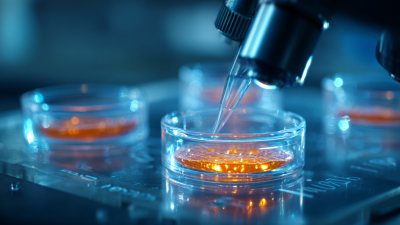
Cell culture optimization is crucial for achieving the best results in biological research. Improving cell growth, viability, and productivity requires careful attention to various techniques. One effective method is the optimization of culture media. Each cell type has unique nutritional needs. Adjusting the components of the media can enhance cell health and yield.
Another important technique is maintaining optimal environmental conditions. Temperature, humidity, and CO2 levels significantly influence cell behavior. Regular monitoring can reveal potential issues, such as fluctuations that may disrupt cellular functions. Researchers often overlook the impact of these parameters. Small adjustments can lead to substantial improvements in cell performance.
Cell passage is another area that warrants reflection. Frequent subculturing can cause genetic drift. It may be more beneficial to minimize passaging and expand cultures in batches. Moreover, assessing cell density is vital. Overcrowded cultures can lead to stress and altered metabolic states. Using appropriate cell densities can mitigate these risks and enhance experimental outcomes. Prioritizing these techniques ensures better reliability and reproducibility in cell culture studies.
Understanding Cell Culture Fundamentals for Effective Optimization
Cell culture optimization requires a deep understanding of its fundamental principles. Factors like temperature, pH, and nutrient composition play critical roles. Even minor variations in these conditions can impact cell health and proliferation rates. Monitoring these parameters closely is essential. Many often overlook the importance of sterility. Contamination can derail experiments and affect results.
Another key consideration is the choice of substrate. The surface on which cells grow influences their behavior. Not all cells adhere well to standard plastic. Some require specific coatings for optimal attachment. Mistakes in this area can lead to unreliable data. Regularly assessing cell morphology can provide insights into their status. Unexpected changes might indicate problems that need addressing.
Optimizing cell culture is not a linear process. Trial and error are often involved. Researchers must remain adaptable and ready to make adjustments. Keeping detailed records of conditions and results is crucial. These reflections can guide future experiments. Embracing imperfections in the optimization process can lead to new discoveries. Continuous learning ensures better outcomes in future cell culture endeavors.
Top 10 Cell Culture Optimization Techniques for Best Results
Evaluating the Role of pH and Osmolality in Cell Culture Success
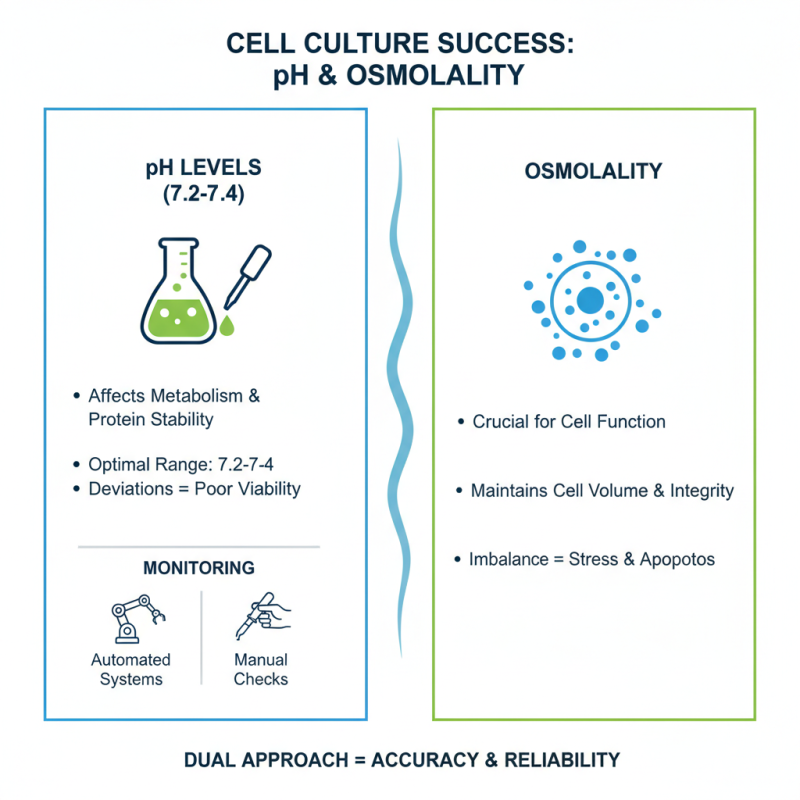
The significance of pH and osmolality in cell culture cannot be overstated. pH levels affect cellular metabolism and protein stability. Most cell lines thrive within a pH range of 7.2 to 7.4. Deviations from this range can lead to poor cell viability and compromise experimental results. Regular monitoring is essential. Automated systems can be helpful, but manual checks should not be ignored. This dual approach ensures accuracy.
Osmolality, on the other hand, affects cell volume and nutrient absorption. An optimal osmolality level usually ranges from 280 to 320 mOsm/kg. Too low or too high can induce stress. Always calibrate your solutions properly. Test different osmolality levels with your specific cell line to identify the best conditions.
**Tips:** Consider using a pH meter with a temperature compensation feature for accuracy. Use osmolality controls to maintain consistency. Remember, cell culture is a complex system. It requires continuous optimization and adaptation. Regularly check your approaches, and remain open to adjustments.
Selecting the Right Growth Media: Essential Components and Their Functions
Selecting the right growth media is crucial for cell culture optimization. Essential components within the media play distinct roles in supporting cell health and proliferation. The basal medium provides essential nutrients, but the addition of supplements can enhance performance significantly. A recent industry report highlighted that 68% of researchers found that customizing media improved cell yield and functionality.
Amino acids, vitamins, and minerals in the growth media are not merely supplementary. Each component has a specific role. For instance, amino acids are vital for protein synthesis. Without adequate levels, cell growth can stagnate. Additionally, growth factors can influence differentiation. The right balance of these nutrients can improve experimental outcomes dramatically. However, determining the correct formulation remains a challenge. Many researchers struggle with media optimization, leading to inconsistent results.
Media change frequency also impacts cell culture success. Altering media too soon can stress the cells. A study showed that 40% of cells suffered from viability issues when media was replaced every two days. Conversely, infrequent changes can lead to nutrient depletion. Continuous assessment of cell health is necessary. Researchers must refine their strategies continually, as even minor adjustments in growth media composition can have substantial effects on cell behavior.
Impact of Oxygen Tension and CO2 Levels on Cell Growth Dynamics
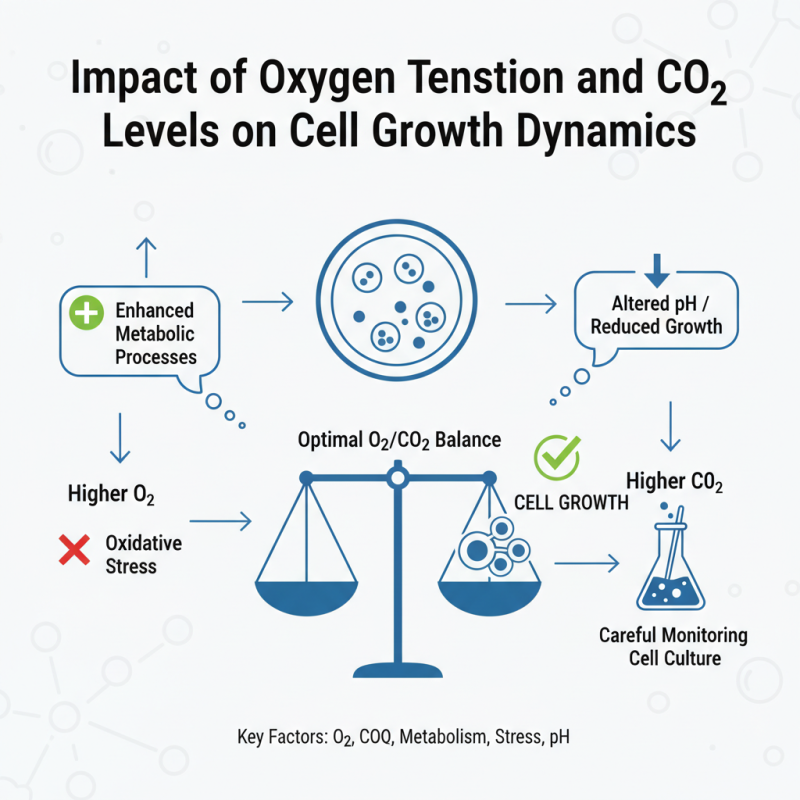
Oxygen tension and CO2 levels significantly influence cell growth dynamics. Cells thrive in an optimal environment, where the balance of these gases plays a critical role. For example, higher oxygen levels can enhance metabolic processes but may also lead to oxidative stress. This complex relationship requires careful monitoring during cell culture.
Adjusting CO2 levels is equally vital. A common range of 5% to 10% can create a controlled environment that supports cellular functions. However, exceeding these levels can alter pH, affecting cell health. Researchers often struggle with maintaining stable conditions. Even slight fluctuations can impact experimental outcomes, making precision essential.
Understanding these factors is not always straightforward. Each cell type may respond differently to oxygen and CO2 variations. For instance, some cells prefer hypoxic conditions, while others thrive in normoxic environments. This inconsistency can lead to unexpected challenges. Continuous refinement of culture techniques is crucial for achieving reliable results, prompting researchers to remain vigilant and adaptive.
Conclusion
Cell culture optimization is crucial for achieving the best results in laboratory settings. Understanding the fundamentals of cell culture lays the groundwork for effective optimization strategies. Key factors such as pH and osmolality play significant roles in promoting cell growth, while selecting the right growth media, with its essential components, is vital for nourishing cells appropriately.
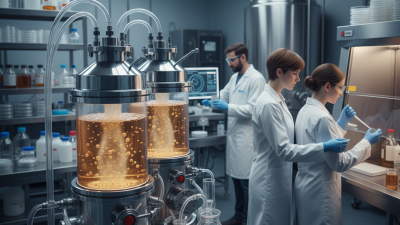
Moreover, the impact of environmental conditions, such as oxygen tension and CO2 levels, can significantly influence cell dynamics and viability. Utilizing bioreactor systems can further enhance productivity by maintaining optimal growth conditions. By implementing these top techniques, researchers can improve their cell culture practices and achieve superior outcomes in their biological experiments.