Top Insights into Human Cell Biology You Need to Know?
Human cell biology is a cornerstone of modern biomedical research. Recent reports indicate that understanding cellular mechanisms can lead to breakthroughs in treating diseases. For instance, the International Society for Cell Biology highlights that advancements in cell understanding could improve therapies for cancer, diabetes, and genetic disorders.
The complexity of human cells is staggering. There are trillions of cells in the human body, each performing distinct functions. According to a study by the National Institutes of Health (NIH), cell signaling pathways are critical to cellular communication and function. However, the intricate networks can also lead to confusion and misinterpretation in research. This complexity demands careful investigation and an ongoing commitment to refine our understanding.
Recent trends show that the field is evolving rapidly. Emerging technologies, such as CRISPR and single-cell RNA sequencing, are reshaping research. Yet, despite these advancements, significant gaps remain in our knowledge. Scientists strive to unlock all mysteries of human cell biology, navigating challenges with fresh perspectives. The pursuit is both daunting and essential for future scientific progress.
Key Components of Human Cells and Their Functions
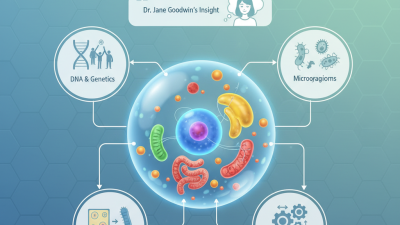
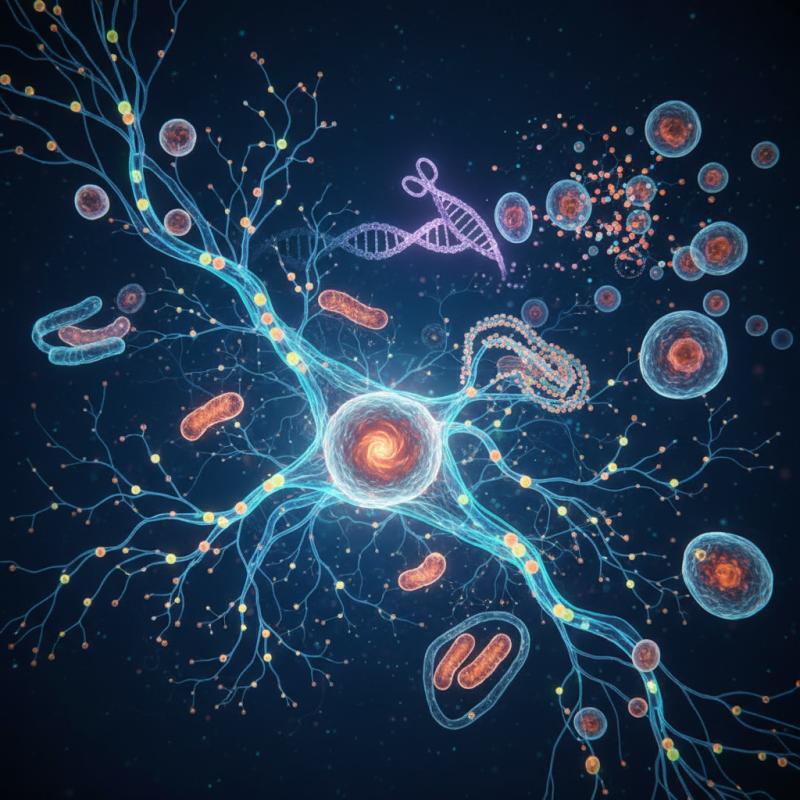
Human cells are fascinating structures. Each has unique components that serve vital roles. The nucleus is often the most recognized part. It houses DNA, guiding cell growth and activity. This genetic blueprint dictates how the cell functions. Yet, many overlook its vulnerability to mutations.
Next, the cytoplasm floods the cell. It is a gel-like substance where many processes happen. Organelles float within it. Mitochondria, for example, generate energy. They are often called the powerhouses of the cell. Inadequate energy production can affect overall cell function and lead to fatigue.
Cell membranes are equally crucial. They protect the cell and regulate what enters and exits. This selective permeability is vital for maintaining internal balance. However, damage to the membrane can lead to cell death. Understanding these components helps appreciate how intricate human biology truly is. Each element has a specific role but also faces challenges. Recognizing these can lead to better insights into health and disease.
Top Insights into Human Cell Biology You Need to Know
The Role of DNA and RNA in Cell Biology
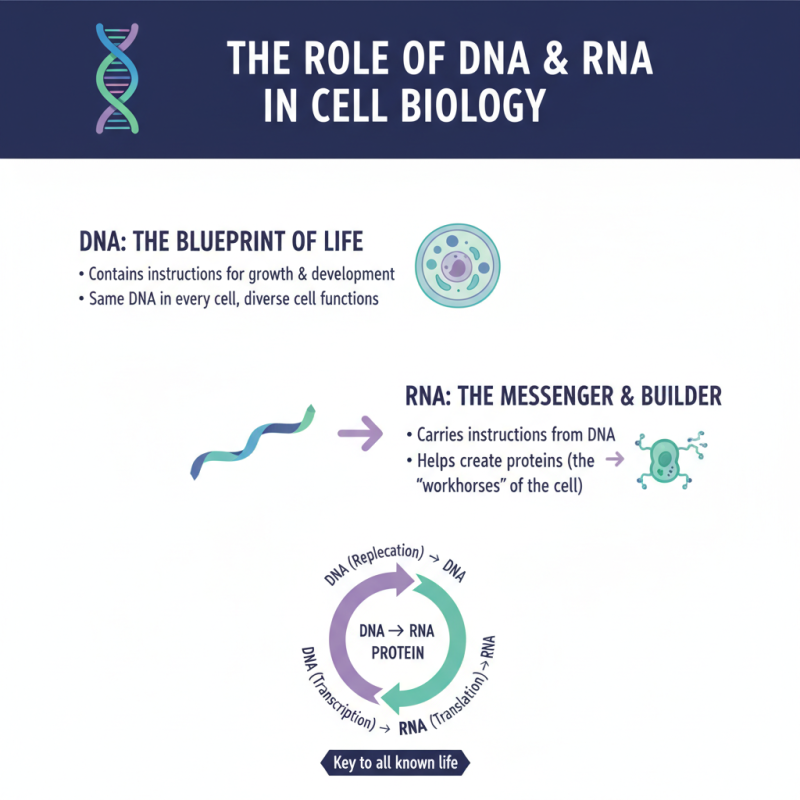
DNA and RNA are fundamental to cell biology. DNA, or deoxyribonucleic acid, is the blueprint for all living organisms. It contains the instructions needed for an organism's growth and development. Each cell in our body has the same DNA, yet different types of cells perform unique functions. This fascinating aspect reveals how deeply interconnected our biology is.
RNA, or ribonucleic acid, plays a crucial role in translating these instructions. Unlike DNA, RNA is single-stranded and helps synthesize proteins. Messenger RNA (mRNA) carries the genetic code from DNA to the ribosomes, where proteins are created. This process, known as transcription and translation, highlights the dynamic nature of cellular function. However, errors in RNA processing can lead to serious diseases. Understanding these processes can uncover insights into genetic disorders.
Exploring the interplay between DNA and RNA sheds light on cell biology complexities. For instance, not all genes are expressed in every cell. Environmental factors can influence gene expression, leading to varied cellular behaviors in the same individual. This complexity is still a puzzle for scientists. The ongoing research in this area promises to reveal more about health and disease mechanisms in the future.
Understanding Cell Membranes and Transport Mechanisms
Cell membranes are essential for cell biology. They act as a barrier, regulating what enters and exits the cell. Their structure consists of a lipid bilayer with embedded proteins. This arrangement allows for selective permeability, a critical feature in maintaining homeostasis.
Transport mechanisms are crucial for cellular function. Passive transport does not require energy. Molecules move from high to low concentration. Active transport requires energy, typically in the form of ATP, to move molecules against their gradient. According to a study by the National Institutes of Health, over 30% of energy in a cell is used for transport processes. This high energy demand highlights the importance of efficient transport mechanisms in cellular health.
**Tip:** To ensure healthy cell function, maintain a balanced diet. Nutrients play a vital role in supporting transport systems within the cell.
While our understanding is vast, gaps in knowledge remain. For instance, research shows that some transport proteins' exact mechanisms are still elusive. Continued exploration is needed to uncover these complexities. Every detail counts in the intricate dance of cellular processes.
**Tip:** Engage in regular exercise. Physical activity can optimize cell membrane fluidity, enhancing transport efficiency. Understanding these mechanisms can lead to breakthroughs in medicine.
Top Insights into Human Cell Biology You Need to Know
| Dimension |
Description |
Examples |
| Cell Membrane Composition |
Phospholipid bilayer with embedded proteins |
Cholesterol, glycoproteins |
| Transport Mechanisms |
Processes that move substances across the cell membrane |
Diffusion, osmosis, active transport |
| Cell Signaling |
Communication between cells to coordinate functions |
Hormones, neurotransmitters |
| Endocytosis |
Process of taking in materials via vesicle formation |
Phagocytosis, pinocytosis |
| Exocytosis |
Secretion of substances from the cell |
Hormone release, neurotransmitter release |
Cell Division: Mitosis vs. Meiosis Explained
Cell division is a fundamental biological process. It ensures growth, development, and maintenance of organisms. Mitosis and meiosis are two key types of cell division. Each serves distinct purposes that are crucial for life.
Mitosis is responsible for producing identical daughter cells. This process occurs in somatic cells, enabling tissue repair and growth. The American Journal of Human Genetics reports that nearly 90% of cell divisions in the human body are mitotic. Each mitotic cycle consists of phases: prophase, metaphase, anaphase, and telophase. In contrast, meiosis leads to genetic diversity. This specialized division occurs in germ cells, producing gametes such as sperm and eggs. Only in meiosis do homologous chromosomes exchange genetic material through a process called crossing over.
Tips: To aid in understanding, visualize mitosis as a photocopying machine. It creates identical copies, ensuring uniformity. Meiosis is like crafting unique art pieces. Each gamete has variations that contribute to genetic diversity. Consider the implications; not every genetic outcome is beneficial. Repair and mutation coexist in cellular processes. Embracing this complexity can lead to meaningful discoveries. Understanding these divisions highlights the delicate balance in biology.
The Importance of Stem Cells in Human Development
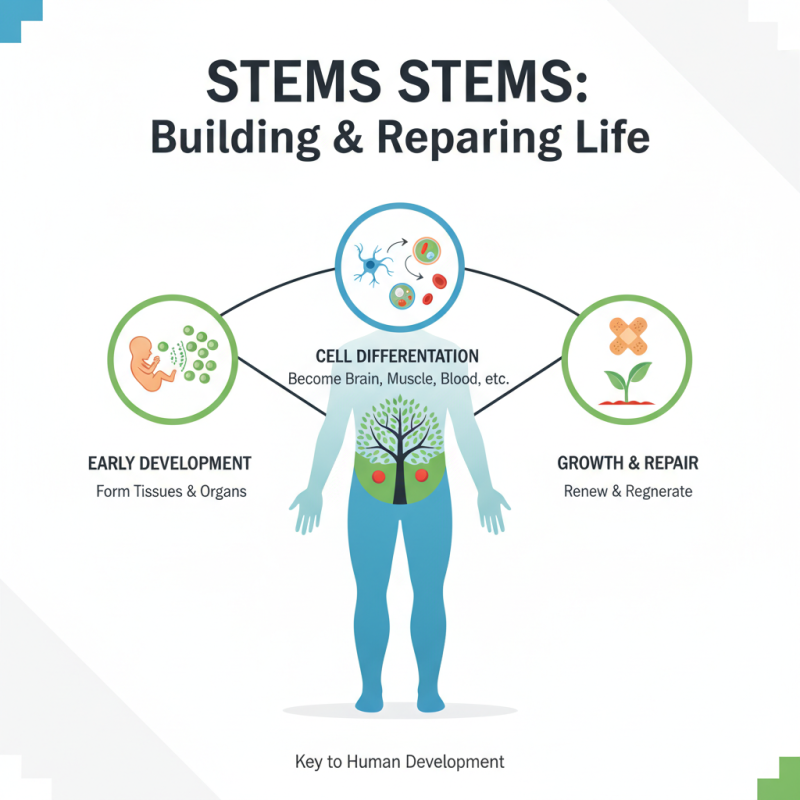
Stem cells play a pivotal role in human development. These unique cells have the ability to differentiate into various cell types. Their potential makes them essential for growth and repair within our bodies. For instance, they can become neurons, muscle cells, or blood cells. This versatility is critical during the early stages of life. In embryos, stem cells contribute to the formation of tissues and organs. The process is complex and tightly regulated.
The importance of stem cells extends beyond embryonic development. In adults, they also serve as a repair system. When we sustain injuries, stem cells activate to help heal tissue. However, this process is not always flawless. Sometimes, stem cells may not function effectively due to age or disease. Researchers are continually exploring how to enhance their capabilities to improve healing outcomes. This quest leads to new insights in regenerative medicine.
Understanding stem cells illuminates their complexities. While they hold immense promise, challenges remain. For instance, ethical concerns exist surrounding their use. Scientists must navigate these dilemmas carefully. The future of stem cell research hinges on balancing innovation with ethical responsibility. Discovering new methods can lead to breakthroughs but also raises important questions.