Top 5 Tips to Understand the Biology of a Human Body?
Understanding the biology of a human body can be a fascinating journey. It reveals the intricate systems and processes that sustain life. From the smallest cells to the complex interactions among organs, each element plays a crucial role.
Exploring this subject requires a blend of curiosity and rigorous study. Knowledge of human biology enhances our health literacy. It empowers us to make informed decisions and understand our physical wellbeing better. Here, we will present tips to deepen your understanding of human biology. These steps will lead you to appreciate the marvel of the human body even more.
With a responsible approach to learning, you might encounter complexities. Not every detail is straightforward. Some concepts challenge our existing beliefs. Embrace this uncertainty. As you explore the biology of a human body, keep an open mind, and reflect on your learning journey.
Understanding Human Biology: Exploring the Basics of Life Systems
Understanding human biology involves grasping the intricate life systems that sustain us. The human body comprises trillions of cells, each playing a unique role in maintaining life. According to a report from the National Institutes of Health, over 200 different cell types exist, working together to make up tissues and organs. This complexity highlights the importance of understanding basic biological concepts.
Engaging with human biology can be made easier through practical tips. Start by focusing on the major organ systems: circulatory, respiratory, and digestive. Learning how these systems interact lays a solid foundation. Explore reputable resources like academic journals or online platforms dedicated to biology education.
Another useful approach is to visualize concepts. Diagrams and charts can make complex processes more comprehensible. For instance, the human heart's anatomy and function can be illustrated, making it easier to understand blood circulation. Active engagement with materials encourages retention and comprehension, as studies show that visual learning aids in memory development.
Immerse yourself in discussions with others interested in biology. Sharing knowledge enhances understanding and uncovers new perspectives. Remember, biology can be intricate and requires constant reflection to master. Explore, question, and enjoy the journey of learning about the human body.
The Cell: The Fundamental Unit of Life in the Human Body
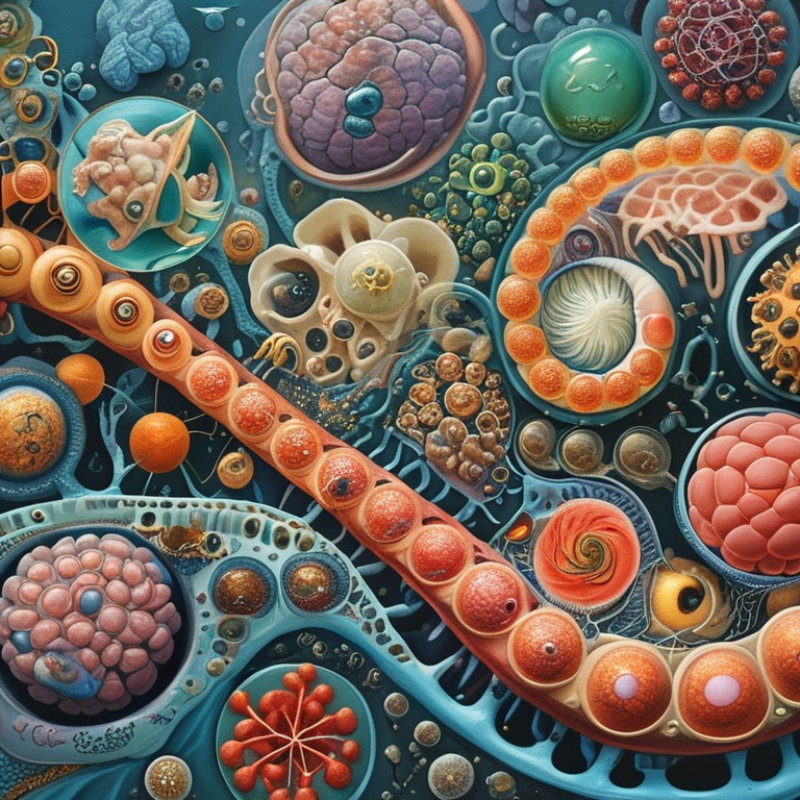
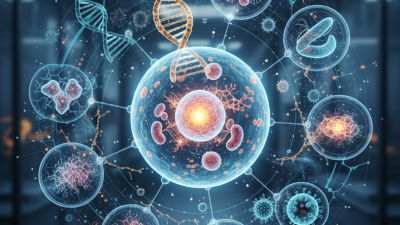
The cell is the fundamental unit of life in the human body. Understanding cells unlocks the secrets of biology. Each cell functions as a building block for tissues and organs. They carry out crucial activities like energy production, waste management, and cellular communication. Grasping cell structure enhances comprehension of bodily functions.
To better understand cells, engage with visual materials. Diagrams and models illustrate cell anatomy effectively. Exploring interactive biology apps can provide hands-on experiences with cell behavior.
Pay attention to variations in cell types, such as nerve or muscle cells. Each type has a unique role. Reflect on how lifestyle impacts cell health, like diet and exercise. Regularly questioning what you know about cells fosters deeper insights. Embrace the complexity of cells; it’s a journey of continuous learning.
Organ Systems: How They Function Together for Homeostasis
Understanding human biology involves delving into how organ systems function together. Homeostasis is key for maintaining a stable internal environment. The human body relies on multiple systems, including the nervous, circulatory, and respiratory systems, to achieve this balance. According to the National Institutes of Health, these systems interact dynamically. For instance, breathing adjusts to provide adequate oxygen to muscles during intense activities.
Consider the cardiovascular system's role in this interplay. As heart rate increases, it pumps more blood, delivering vital nutrients. A study published by the American Heart Association shows that proper hydration improves blood flow. However, inconsistencies in hydration or diet can disrupt this process. It raises questions about our daily habits and their long-term effects on health.
Reflections on human biology extend to understanding these organ systems' interdependence. Imbalances can lead to ailments like hypertension or diabetes. For instance, poor diet or lack of exercise can lead to reduced efficiency in these systems. According to the World Health Organization, lifestyle changes can prevent many chronic diseases. It highlights the importance of conscious living and its direct impact on our biological functions.
Genetics: The Blueprint of Human Development and Traits
Genetics serves as the fundamental blueprint for human development and the variety of traits we observe. Each human carries approximately 20,000-25,000 genes, which orchestrate everything from hair color to susceptibility to diseases. According to the Human Genome Project, understanding our genetic makeup can lead to enhanced medical treatments and personalized medicine. Investigating genes allows scientists to identify specific markers for conditions such as diabetes and heart disease, paving the way for prevention strategies.
Despite its significance, genetics can be perplexing. It doesn't provide absolute answers. For instance, two individuals with identical genetic markers may still experience different health outcomes due to external factors. Epigenetics shows that environment and lifestyle can influence gene expression, highlighting the complexity of biological responses. Interestingly, approximately 75% of health issues may stem from environmental influences rather than genetics alone.
This interplay between genetics and environment emphasizes the importance of a holistic view of health. Genetic predispositions can alert us to potential risks, yet we must consider lifestyle choices that can modify these risks. As research evolves, our understanding of genetic inputs will continue to grow, but it may never provide complete clarity. Thus, the journey to understanding the human body remains ongoing and intricate.
Top 5 Genetic Traits Influencing Human Biology
This chart illustrates the distribution of key genetic traits within the human population. Understanding these traits can provide insights into human biology, development, and variability.
Interacting Systems: How Environment Influences Biological Functions
The human body is a complex marvel shaped by both biology and environment. To understand how these factors interact, one must consider the delicate balance between internal systems and external influences. A recent study published in the Journal of Environmental Biology highlighted that 80% of health conditions are influenced by environmental factors, emphasizing the need for awareness.
When exploring this interplay, one vital aspect is nutrition. The body relies on nutrients to function optimally. Poor dietary choices can lead to chronic diseases. For example, a diet high in processed foods can double the risk of heart disease. Maintaining a balanced intake of fruits and vegetables can reduce this risk significantly.
Interactions extend beyond diet; they include physical activity and social environments. The World Health Organization reports that lack of activity contributes to over 5 million deaths annually. Engaging in regular exercise can enhance mood, improve immunity, and promote overall health. Small changes, like a daily walk, can positively impact the body.
Paying attention to one's surroundings is equally crucial. Air quality, for instance, can influence respiratory health. Studies show that individuals living in polluted areas are at increased risk for asthma. Understanding these connections is essential for fostering a healthy lifestyle. Recognizing how the environment shapes biological functions is a key step in promoting personal and public health.