2025 Top 10 Ways to Boost Your Cells Health for Optimal Wellness
In today's fast-paced world, the quest for optimal wellness has never been more critical, especially when it comes to understanding the role of your cells in overall health. According to a report by the World Health Organization, approximately 80% of premature heart disease, stroke, and type 2 diabetes can be prevented through lifestyle changes, underscoring the importance of cellular health. Your cells are the fundamental building blocks of life, responsible for various functions that sustain your bodily systems.

As we advance toward 2025, it is essential to prioritize strategies that enhance cell vitality and functionality.
Recent research highlights that cellular aging is a significant factor in numerous chronic diseases, with studies indicating that supporting mitochondrial health can improve energy levels and decrease oxidative stress. A study published in the Journal of Cell Biology reveals that healthier cells can contribute to a more robust immune response. By taking proactive steps to revitalize your cells, you can not only enhance your physical health but also elevate your mental well-being, leading to a more fulfilling life. In this article, we will explore the top 10 ways to boost your cells' health for optimal wellness, providing evidence-based practices that can revolutionize your approach to health in the years to come.
Nourishing Your Cells: The Role of Antioxidants in Preventing Cellular Damage
Antioxidants play a crucial role in maintaining cellular health and preventing oxidative damage, which can lead to various diseases. For instance, foods rich in antioxidants, such as plums and kiwi, are now recognized for their significant health benefits, including lowering cancer risk and promoting heart health. Recent studies have shown that plums, both fresh and dried, are packed with polyphenols and vitamins that combat oxidative stress, which is particularly important given that oxidative stress is linked to various conditions, including skin aging and chronic illnesses.
Moreover, integrating antioxidant-rich foods into one's diet can bolster immune function, especially during flu seasons. Citrus fruits, alongside other nutrient-dense options such as butternut squash and pumpkin, are known for their high vitamin C content, which is essential for immune support. Research suggests that a diet abundant in fruits and vegetables can significantly enhance the body's ability to detoxify and fight against the detrimental effects of reactive oxygen species (ROS) that contribute to cell damage. By prioritizing these foods, individuals can proactively nourish their cells, ensuring optimal wellness and longevity.
2025 Top 10 Ways to Boost Your Cells Health for Optimal Wellness
| Method |
Description |
Benefits |
| Consume Antioxidant-Rich Foods |
Include berries, nuts, and dark chocolate. |
Helps combat oxidative stress and cellular damage. |
| Stay Hydrated |
Drink adequate water throughout the day. |
Supports cellular functions and nutrient transportation. |
| Regular Exercise |
Engage in at least 150 minutes of activity weekly. |
Enhances blood circulation and oxygen delivery to cells. |
| Limit Processed Foods |
Reduce intake of refined sugars and unhealthy fats. |
Decreases inflammation and promotes healthier cell function. |
| Get Quality Sleep |
Aim for 7-9 hours of restful sleep each night. |
Facilitates cellular repair and regeneration. |
| Manage Stress |
Practice mindfulness or meditation techniques. |
Helps reduce cortisol levels and cell damage. |
| Incorporate Omega-3 Fatty Acids |
Eat fatty fish or flaxseeds regularly. |
Supports cell membrane integrity and function. |
| Avoid Smoking and Excess Alcohol |
Limit or eliminate tobacco and alcohol consumption. |
Reduces risk of cellular damage and chronic diseases. |
| Regular Health Check-ups |
Schedule annual physical exams. |
Detects early signs of potential health issues. |
Hydration and Cellular Function: How Water Consumption Impacts Your Health
Hydration plays a crucial role in maintaining cellular function and overall health. Water is essential for transporting nutrients, flushing out toxins, and ensuring that cells can perform their vital processes. With the global water bottle market projected to grow significantly, it's clear that more people are recognizing the importance of hydration. Drinking enough water not only supports metabolic health but can also aid in weight loss by increasing metabolic rates and reducing feelings of hunger.
To enhance your cellular health, consider these hydration tips: First, aim to drink at least 8 glasses of water daily, adjusting for activity level and climate. Incorporating water-rich foods, such as fruits and vegetables, can also contribute to your hydration goals. Second, establish a routine by drinking a glass of water first thing in the morning and before each meal to help regulate your intake throughout the day. Lastly, keep a reusable water bottle with you to serve as a constant reminder to stay hydrated, making it easier to track your consumption.
By prioritizing hydration, you can support your cells' health and promote optimal wellness, setting a strong foundation for your overall well-being.
Impact of Water Consumption on Cellular Health
This bar chart illustrates the correlation between daily water consumption and the rate of optimal cellular function. As water intake increases, so does the percentage of optimal cellular function, highlighting the importance of hydration for overall health and wellness.
The Impact of Nutrient-Dense Foods on Cellular Regeneration and Longevity
In recent research, the focus on nutrient-dense foods has gained traction due to their potential to enhance cellular regeneration and longevity. A study from MIT highlighted the benefits of a diet rich in cysteine, an amino acid known to promote the regeneration of the intestinal lining. By incorporating cysteine-rich foods into your diet, you can support the healing processes in your gut, which is essential for overall health.
Tips: Consider adding foods like garlic, onions, and cruciferous vegetables, such as broccoli and Brussels sprouts, which are high in cysteine. Additionally, be mindful of your protein intake; while necessary, excessive protein can shorten your lifespan, so aim for a balanced approach.
Another intriguing finding suggests that coffee may play a role in promoting longevity by activating a cellular process known as AMPK. This can lead to improved energy metabolism and cellular maintenance.
Tips: Enjoy a moderate amount of coffee as part of a nutrient-rich diet for its potential longevity benefits. Pairing your coffee with antioxidant-rich foods like berries can further enhance its positive effects on cellular health. Embrace these nutrient-dense strategies to aid in your pursuit of optimal wellness and longevity.
Exercise as a Key Factor in Enhancing Mitochondrial Health and Energy Production

Exercise plays a crucial role in enhancing mitochondrial health, which is vital for optimal energy production within our cells.
Mitochondria, often referred to as the powerhouses of the cell, are responsible for converting nutrients into adenosine triphosphate (ATP), the energy currency our bodies rely on. Regular physical activity acts as a catalyst for mitochondrial biogenesis, promoting the formation of new mitochondria within our cells.
This increase in mitochondrial density improves overall energy efficiency, enabling our bodies to perform daily tasks more effectively and with greater vitality.
Incorporating a variety of exercises, including aerobic activities like running, cycling, and swimming, can significantly boost mitochondrial function.
Resistance training, on the other hand, stimulates the muscles to adapt and grow stronger, further enhancing cellular energy production.
The cumulative effects of these exercises not only elevate physical performance but also contribute to long-term health benefits, such as reduced risk of chronic diseases.
Ultimately, by making exercise a consistent part of our routine, we can support our cellular health and, consequently, enhance our overall well-being, leading to a more energized and fulfilling life.
Stress Reduction Techniques: Their Importance in Maintaining Cellular Integrity and Function
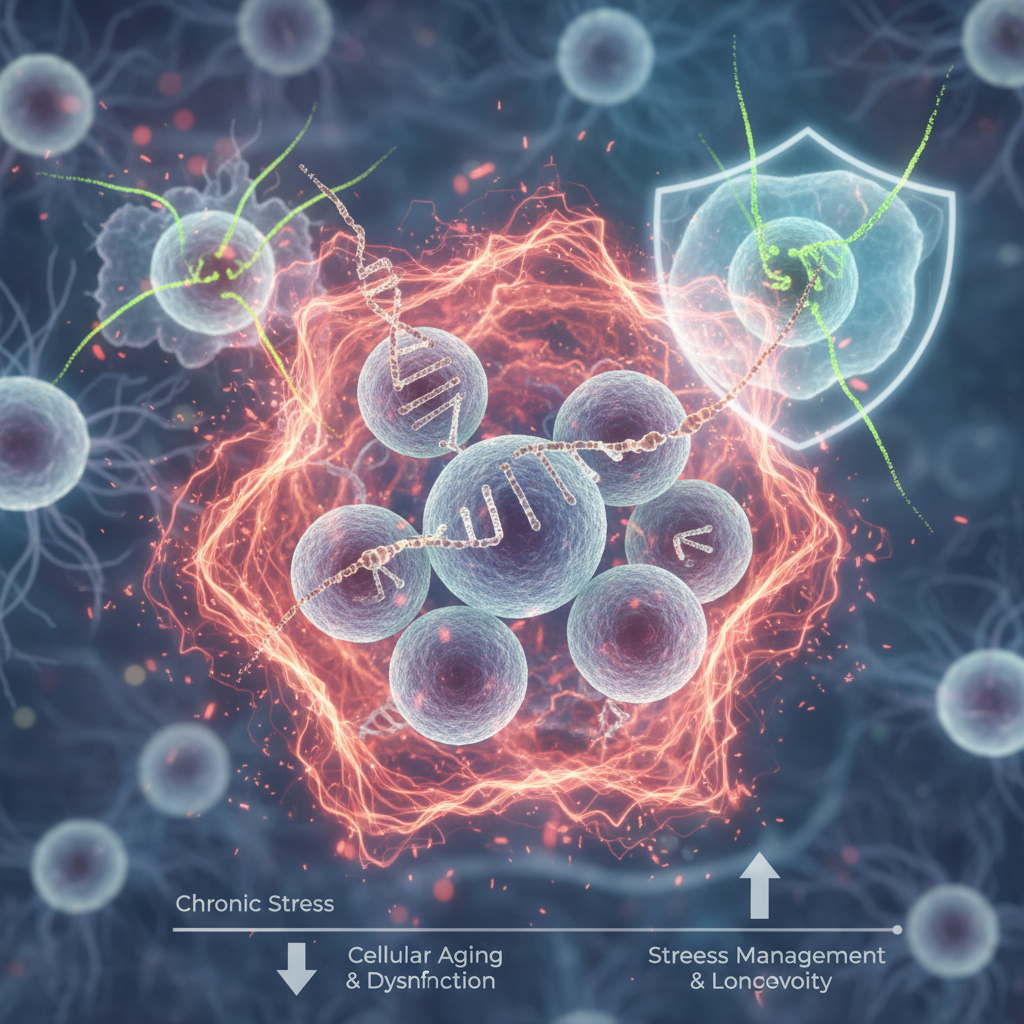
Stress plays a pivotal role in the health of our cells, with recent studies indicating that chronic stress can lead to cellular aging and dysfunction. According to a 2022 report published by the American Psychological Association, prolonged stress can elevate cortisol levels, which, in turn, may cause telomere shortening, a key indicator of cellular aging. Telomeres protect our DNA, and when they become shorter, it can result in decreased cellular replication and increased risk of diseases such as cancer and heart disease. Thus, managing stress is not just about mental well-being; it's crucial for maintaining our cellular health and longevity.
Moreover, implementing stress reduction techniques can significantly enhance cellular integrity and function. A study in the Journal of Cellular Biology found that mindfulness meditation and yoga can lead to measurable improvements in telomere length and overall cellular health. The research suggests that individuals who engaged in these practices regularly experienced a 25% reduction in stress-related markers, ultimately promoting better cellular function. By prioritizing stress management through various techniques such as deep breathing, meditation, or physical exercise, individuals can bolster their cellular health and set the stage for optimal wellness as we head towards 2025 and beyond.