Topical exposure plays a crucial role in determining your skin's health. Everyday interactions with various substances shape our skin's condition. From the products we use to the environment we inhabit, our skin is constantly reacting to these influences.
Understanding topical exposure allows for better skincare choices. For instance, exposure to pollutants can weaken the skin’s barrier. Similarly, harsh chemicals can lead to irritation and allergic reactions. Many products claim benefits, yet they can lead to unexpected skin issues. It’s essential to analyze ingredients critically.
The reality is that not all topical exposures are beneficial. Some may promote temporary improvements but cause long-term damage. This complex relationship between our skin and the things it encounters deserves attention. Reflecting on your routines is vital for achieving healthier skin. Make informed decisions to enhance your skin's resilience and overall vitality.

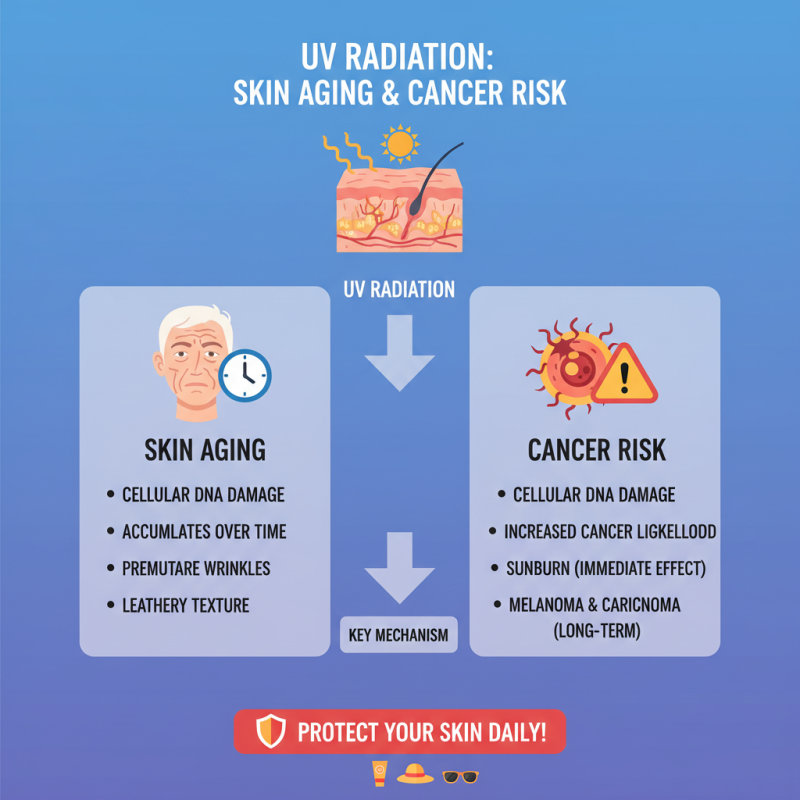
Ultraviolet (UV) radiation is a major player in skin aging and cancer risk. Exposure to UV rays can lead to cellular damage. This occurs at the DNA level, making skin cells more likely to become cancerous over time. Sunburn is just one immediate effect of too much UV exposure, but the long-term data is alarming. Over years, this damage accumulates, leading to premature wrinkles and a leathery texture.
In addition to aesthetic concerns, there is a serious health aspect. Skin cancer rates have risen sharply. Individuals often underestimate their risk, believing that a tan is healthy. However, this false sense of security can lead to neglecting sun protection measures. Skin cancer is not just a risk for the elderly; younger populations show increasing cases.
Reflecting on personal habits, many people skip sunscreen in daily routines. Inadequate protection on cloudy days or during winter months is common. Even with awareness, individuals struggle with consistent application. Understanding the risks associated with UV exposure is essential. Protecting skin should be a priority, not an afterthought.

Environmental pollution poses a significant threat to our skin health. Various pollutants, such as particulate matter and chemical toxins, can weaken the skin barrier. This barrier protects us from harmful pathogens and moisture loss. When exposed to polluted air, our skin may show signs of irritation and premature aging.
The impact of these pollutants can manifest in diverse ways. Pores can become clogged, leading to breakouts. Additionally, dryness and inflammation may occur due to the compromised barrier function. Studies indicate that fine dust can penetrate deeper layers of the skin, causing long-term damage. It's alarming yet essential to acknowledge that our daily environments play a crucial role in skin health.
Taking preventive measures is key. Simple actions like regular cleansing and using protective skincare ingredients can be beneficial. Yet, understanding that we cannot completely escape pollution is vital. This reality calls for more awareness and adaptive strategies. Our skin's resilience can vary, and it’s crucial to listen to its needs.
| Exposure Source | Effect on Skin Health | Symptoms | Prevention Tips |
|---|---|---|---|
| Air Pollution | Degrades skin barrier function | Dryness, irritation | Cleansing, moisturizing |
| UV Radiation | Accelerates aging and skin cancer risk | Wrinkles, pigmentation | Sunscreen use, protective clothing |
| Tobacco Smoke | Reduces blood flow, affecting healing | Dull complexion, premature aging | Avoid smoking, secondhand exposure |
| Chemicals in Cosmetics | Potential irritants leading to sensitivity | Redness, allergic reactions | Patch testing, choosing gentle products |
| Climate Conditions | Affects moisture balance | Dry skin, eczema flare-ups | Humidifiers, moisturizers |
| Water Quality | Harsh water can disrupt barrier | Irritation, dryness | Water filtration systems |
| Diet | Influences skin condition | Acne, dullness | Balanced diet, hydration |
| Stress | Triggers skin reactions | Breakouts, eczema | Stress management techniques |
| Sleep Quality | Affects skin repair | Puffiness, dull appearance | Good sleep hygiene |
| Medication | Can cause side effects on skin | Sensitivity, rashes | Consultation with healthcare provider |
Moisturizers are essential in maintaining skin hydration and elasticity. They play a crucial role in creating a protective barrier. This barrier helps to lock in moisture and prevent dehydration. Without proper hydration, your skin can feel tight and appear dull. Hydrated skin is often more resilient to environmental stressors.
The effectiveness of a moisturizer depends on its ingredients. Humectants attract water to the skin, while occlusives provide a seal to retain it. It's important to choose moisturizers suitable for your skin type. Oily skin may need lighter formulations, while dry skin benefits from thicker creams. Often, people overlook these details and use products that don’t suit their needs.
However, not all moisturizers are created equally. Some may contain irritants that can worsen skin conditions. It’s a challenge to find the right balance. Keeping a skin journal can help track what works and what doesn’t. Your skin is unique, and what benefits one person may not work for another. Remember, consistent hydration is key to a healthy complexion.
Topical ingredients play a crucial role in acne development and treatment. A report by the American Academy of Dermatology indicates that nearly 85% of adolescents suffer from acne. This condition arises from various factors, including excessive oil production and clogged pores. Topical treatments directly address these concerns by targeting inflammation and bacteria.
Salicylic acid is a widely recognized ingredient in acne treatment. It helps exfoliate dead skin cells and reduces pore blockage. According to a study published in the Journal of Clinical and Aesthetic Dermatology, 60% of subjects noted improvement in their acne after using salicylic acid regularly. However, sensitivity to this ingredient is also common, with some users experiencing dryness and irritation.
Benzoyl peroxide is another popular choice that kills acne-causing bacteria. A clinical trial found that 75% of participants saw a reduction in acne lesions using benzoyl peroxide. Yet, it can also lead to skin peeling and redness. These reactions highlight the need for individuals to assess their skin's response to various ingredients. Understanding how topical exposure influences skin health can lead to better acne management.
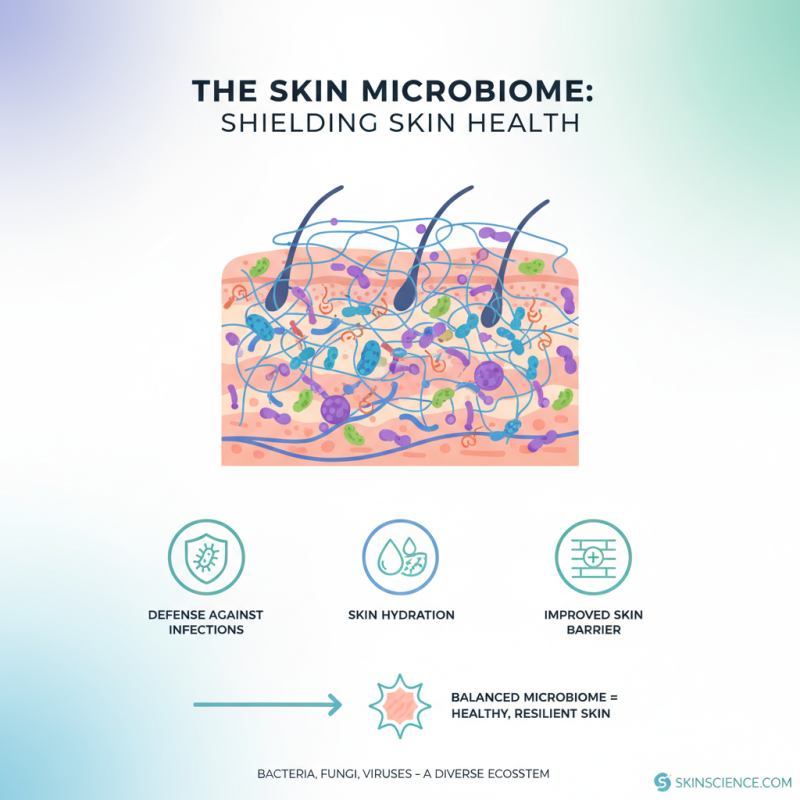
The skin microbiome plays a crucial role in maintaining skin health. It consists of bacteria, fungi, and viruses that live on our skin. This diverse ecosystem helps to protect against infections and keeps our skin hydrated. A balanced microbiome can improve skin barrier function, leading to healthier and more resilient skin.
However, topical exposure to harsh products can disrupt this delicate balance. Chemicals in skincare can alter the skin's natural pH. Overuse of certain products may lead to irritation or an imbalance in your microbiome. If your skin becomes dry or inflamed, it may indicate a microbial disruption. Skin that lacks healthy microbes is more prone to diseases like eczema and acne.
To support your skin microbiome, consider using gentle, pH-balanced products. Limit the use of antibacterial washes, as they can harm beneficial microbes. Incorporating probiotics into your diet may also be beneficial. These small adjustments can promote a healthier skin environment, enhancing its overall health. Prioritize listening to your skin's needs. Sometimes, less is more. Experiment with products that work well for you, and avoid those that cause discomfort.