Why Understanding Human Cell Biology is Essential for Medical Advancements
Understanding human cell biology is pivotal in facilitating medical advancements across various disciplines, from regenerative medicine to oncology. In recent years, the global market for cell biology research has been booming, expected to reach over $66 billion by 2025, with an annual growth rate of approximately 7.6% (Global Market Insights, 2021). This growth underscores the increasing recognition of the intricate cellular mechanisms that underpin human health and disease. As we delve deeper into the cellular realm, the ability to manipulate and understand these biological units can lead to groundbreaking therapies and innovative treatments.
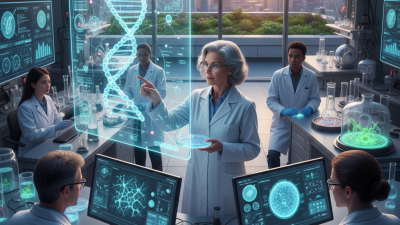
Dr. Emma Thompson, a leading expert in human cell biology at the Institute of Cellular Research, emphasizes the significance of this field, stating, "By unraveling the complexities of human cell biology, we pave the way for transformative advances in medicine that can directly impact patient outcomes." Her work highlights how understanding cellular processes can illuminate the pathways of diseases, enabling researchers and clinicians to develop targeted interventions tailored to individual patients. In this ever-evolving landscape, the integration of human cell biology into medical research remains a cornerstone for achieving significant breakthroughs in healthcare, making it an essential area of focus in the journey towards advanced medical solutions.
The Importance of Human Cell Biology in Medicine
Understanding human cell biology is crucial to the advancement of medical science, as it lays the groundwork for innovative therapies and treatments. Research highlights that approximately 70% of all diseases have a cellular basis, emphasizing the importance of studying cellular mechanisms to develop targeted interventions. For instance, by comprehending the intricacies of cell signaling pathways, researchers can identify how malfunctioning cells contribute to conditions such as cancer, diabetes, and neurodegenerative diseases. These insights are integral for devising therapies that could potentially reverse or mitigate disease progression.
Moreover, advancements in cell biology have spurred significant breakthroughs in regenerative medicine. According to a report by the International Society for Stem Cell Research, the global stem cell market is expected to reach $40.9 billion by 2026, reflecting a marked interest in harnessing the potential of cells for healing and reconstruction. This is especially relevant in treating injuries and age-related degeneration. Understanding the biology of stem cells and their differentiation capabilities is paramount for creating effective treatments that can replenish damaged tissues and organs, thereby enhancing patient outcomes and quality of life. Consequently, recognizing the intricate details of human cell biology not only supports scientific discovery but also drives forward the frontiers of modern medicine.
Key Cellular Processes and Their Role in Disease Mechanisms
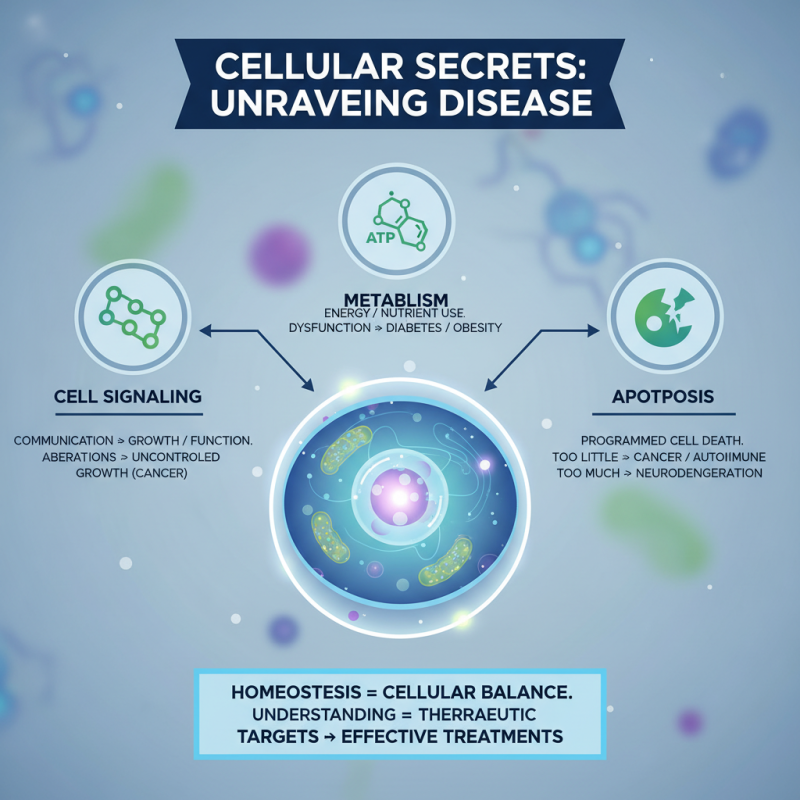
Understanding human cell biology is pivotal for unraveling the complexities of disease mechanisms. At the cellular level, various processes such as cell signaling, metabolism, and apoptosis play crucial roles in maintaining homeostasis and responding to environmental changes. For instance, aberrations in cell signaling pathways can lead to uncontrolled cell proliferation, a hallmark of cancer. By studying these pathways, researchers can identify potential therapeutic targets that may lead to more effective treatments.
Moreover, cellular processes are intricately linked to the progression of diseases. Metabolic dysregulation can contribute to diabetes and obesity, highlighting the importance of understanding how cells process nutrients and react to hormonal signals. Similarly, impaired apoptosis can result in the survival of damaged cells, exacerbating tissue damage and disease severity in conditions like neurodegenerative disorders. Therefore, a thorough grasp of human cell biology is crucial not only for diagnosing diseases but also for developing innovative medical strategies that can alter disease trajectories and improve patient outcomes.
Advancements in Medical Research Driven by Cell Biology Insights
Advancements in medical research are increasingly driven by insights gained from cell biology. Understanding the intricate mechanisms of human cell function is crucial for developing innovative therapies and treatments. As highlighted in a recent report by the National Institutes of Health, approximately 70% of new drugs entering the market are derived from cellular biology research. This statistic underscores the essential role that cell biology plays in identifying potential drug targets and elucidating the pathways involved in various diseases.
Moreover, the exploration of cellular processes has led to significant breakthroughs in regenerative medicine and cancer treatment. According to a publication from the World Health Organization, cell therapy applications have expanded rapidly, with the global cell therapy market projected to reach $25 billion by 2024, reflecting an annual growth rate of over 30%. This surge is largely attributed to advancements in understanding stem cell differentiation and tumor biology. With these insights, researchers can develop more effective and personalized treatments, highlighting the indispensable connection between cell biology and medical advancements.
Advancements in Medical Research Driven by Cell Biology Insights
Therapeutic Applications: From Cell Biology Discoveries to Treatments
Understanding human cell biology is crucial for developing effective therapeutics based on the fundamental mechanisms of life. Every medical breakthrough, from gene therapy to regenerative medicine, stems from insights gained through studying cell structures, functions, and interactions. Researchers leverage knowledge from cell biology to identify disease pathways and discover novel targets for intervention. For instance, understanding how certain cells proliferate in cancer allows scientists to devise treatments that selectively eliminate these malignant cells without harming normal tissue.
Moreover, advancements in cell biology have paved the way for innovative therapies like CAR-T cell therapy, where a patient's immune cells are engineered to better fight cancer. Additionally, the use of stem cells in regenerative medicine showcases how cell biology can lead to treatments that restore functionality to damaged organs or tissues. This interplay between cellular understanding and therapeutic application highlights the importance of continuous research in cell biology, as it opens doors to new and potentially life-saving medical interventions.
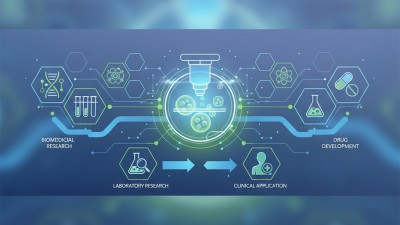
The journey from basic cell research to clinical applications illustrates the significant impact that a comprehensive grasp of cell biology can have on future medical advancements.
Future Perspectives: The Intersection of Cell Biology and Medical Innovation
The intersection of cell biology and medical innovation opens new avenues for the development of targeted therapies and personalized medicine. According to a report by Grand View Research, the global regenerative medicine market is projected to reach $40 billion by 2026, showcasing a significant investment in cell-based therapies. Understanding human cell biology is fundamental to harnessing the potential of stem cells and other cellular technologies, which can lead to breakthroughs in treating conditions that were previously deemed incurable, such as certain cancers and degenerative diseases.
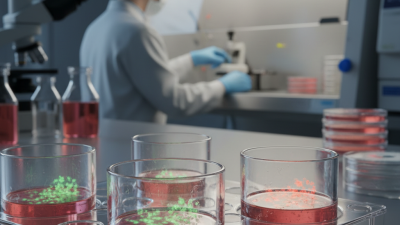
As researchers delve deeper into the mechanisms of cell signaling and gene expression, they are uncovering insights that can dramatically transform medical practices. For example, the use of CRISPR technology to edit genes at the cellular level has unlocked possibilities for correcting genetic disorders before symptoms manifest, highlighting the proactive nature of future medical treatments. Furthermore, a study published in Nature Biotechnology indicates that advancements in cell culture technologies are reducing the time and costs associated with drug development, which can ultimately enhance patient outcomes.
Tips for aspiring professionals in this field include staying updated with the latest research in cell biology, actively participating in related workshops and seminars, and fostering collaborations with interdisciplinary teams. Engaging with the scientific community can expedite the translation of cell biology insights into tangible medical innovations, making it imperative for students and practitioners alike to cultivate a strong foundation in this essential area of study.