How to Utilize Advanced Cell Technology for Enhanced Performance and Results
In the rapidly evolving world of biotechnology, advanced cell technology stands out as a groundbreaking frontier, promising to revolutionize how we understand and manipulate cellular systems. Dr. Emily Carter, a leading expert in the field of cell biology, states, "Harnessing the potential of advanced cell technologies can lead to unprecedented outcomes in clinical and research settings." This statement encapsulates the transformative power of employing innovative cellular methodologies for improved performance and results across various applications.
By integrating advanced cell solutions into research and development processes, scientists and practitioners can unlock new possibilities in areas such as regenerative medicine, drug discovery, and personalized therapies. The versatility of these techniques not only enhances our ability to model diseases more accurately but also accelerates the development of targeted treatments that cater to individual patient needs. As we delve into the multifaceted applications of advanced cell technology, it becomes clear that the future of healthcare and biological research is closely intertwined with these pioneering advancements, paving the way for breakthroughs that can significantly impact global health outcomes.
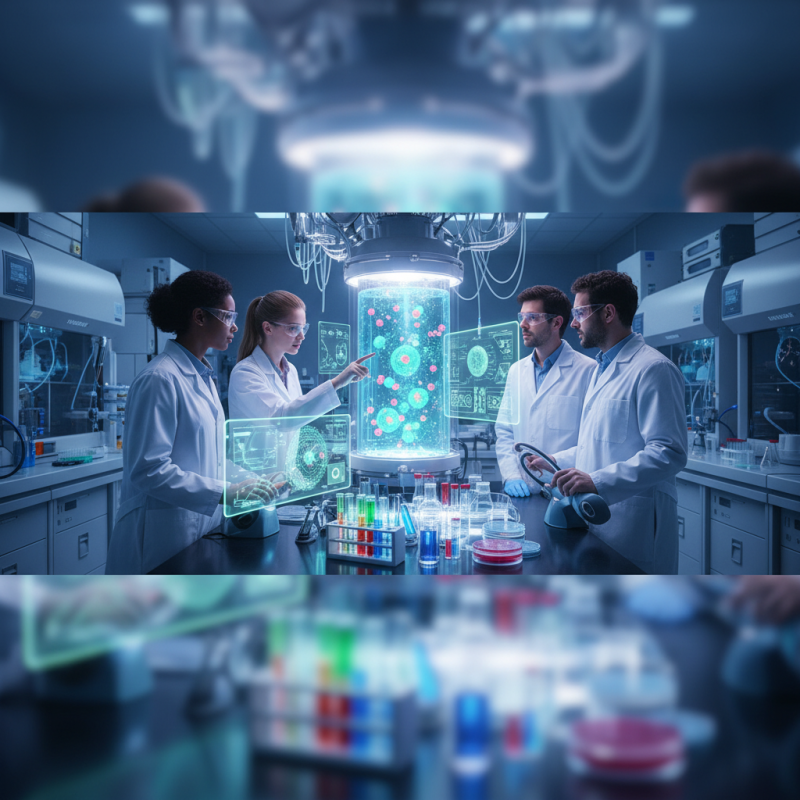
Understanding Advanced Cell Technology in Biotechnology
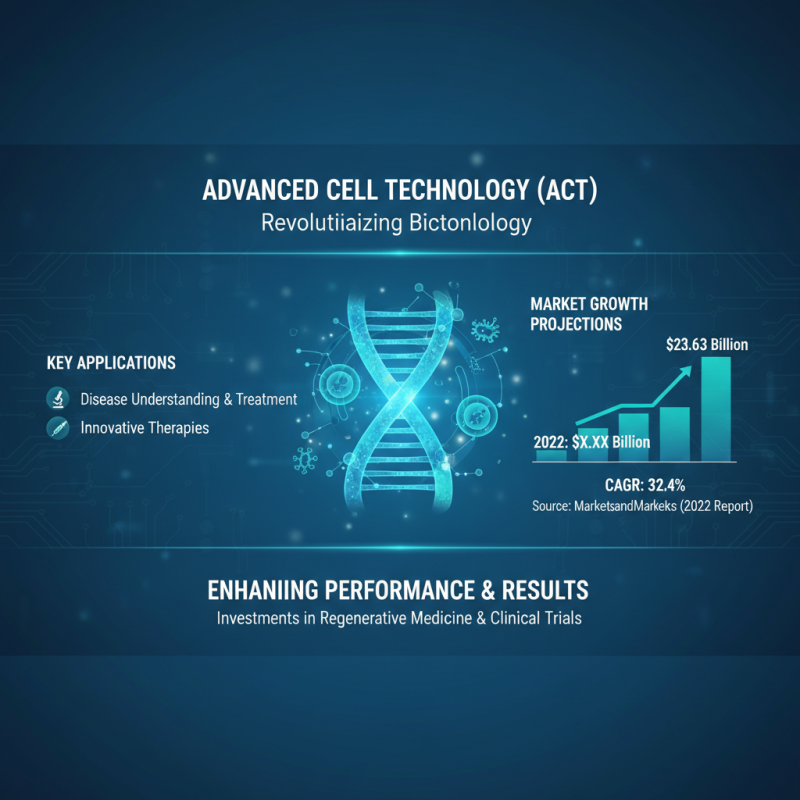
Advanced Cell Technology (ACT) is revolutionizing the biotechnology landscape, offering significant opportunities to enhance performance and results in various applications. At its core, ACT harnesses cell-based methods to improve disease understanding and treatment, allowing researchers to develop innovative therapies. According to a 2022 report by the MarketsandMarkets research firm, the global cell therapy market is projected to reach $23.63 billion by 2025, growing at a CAGR of 32.4%. This growth reflects the increasing investments in regenerative medicine and the expanding pipeline of clinical trials utilizing ACT.
Understanding the underlying principles of Advanced Cell Technology is crucial for its effective implementation. Techniques such as induced pluripotent stem (iPS) cell technology, which allows somatic cells to be reprogrammed into an embryonic-like state, have created a considerable impact. The ability to generate patient-specific cells for personalized treatment options is not just a theoretical concept but a tangible advancement supported by recent findings. Studies indicate that iPS cells offer a promising avenue for producing tailored therapies, especially in fields like oncology and neurodegenerative disorders. With the U.S. National Institutes of Health estimating that about 1 in 4 individuals will be diagnosed with a neurological disorder in their lifetime, the demand for targeted ACT in this space is significantly urgent.
Furthermore, the integration of artificial intelligence in conjunction with ACT is enhancing the efficiency of cell line development and optimization. A recent report from Grand View Research indicated that the AI-based drug discovery market is expected to grow at a staggering CAGR of 40.2% from 2023 to 2030. This trend underscores the synergy between technology and biology, whereby advanced algorithms analyze vast datasets to identify optimal cell technologies for diverse therapeutic applications, thus driving the future of biotechnology forward.
Key Methods for Implementing Advanced Cell Technology
Implementing advanced cell technology in various fields can significantly enhance performance and results. One key method for effective implementation is the integration of high-throughput screening techniques. This allows researchers to rapidly assess the functionality and efficacy of cell lines under a multitude of conditions. By optimizing experimental parameters and utilizing automated systems, teams can efficiently identify the most promising cell lines for specific applications, whether in drug discovery, regenerative medicine, or biotechnology.
Another essential approach is the incorporation of advanced bioprocessing techniques. Utilizing bioreactors equipped with real-time monitoring and control systems can significantly improve the consistency and yield of cellular products. By maintaining optimal growth conditions and nutrient delivery, these systems enhance cell health and productivity, ultimately leading to more reliable outcomes. Additionally, employing machine learning algorithms to analyze cell behavior and predict outcomes can drive further innovations, enabling researchers to tailor their methodologies based on empirical data effectively.
Utilizing Advanced Cell Technology for Enhanced Performance
Impact of Advanced Cell Technology on Performance Metrics
Advanced cell technology has significantly transformed various industries, enhancing performance metrics in ways that were previously unimaginable. This technology not only optimizes process efficiency but also improves product quality and reliability. By leveraging advanced cell technology, organizations can streamline their operations, leading to measurable gains in productivity and output. The impact on performance metrics is profound, as these technological advancements enable better data collection and analysis, which in turn informs decision-making and operational strategies.
To fully harness the benefits of advanced cell technology, companies should implement best practices that drive performance improvements. **Tip 1:** Regularly assess and update your technology infrastructure to ensure you are utilizing the latest advancements available. **Tip 2:** Foster an environment of continuous learning where employees are trained on the nuances of advanced cell technology applications, enhancing their ability to leverage these tools effectively. Additionally, setting clear performance indicators connected to technology usage can help track improvements and identify areas needing further optimization.
Ultimately, the integration of advanced cell technology can lead to significant enhancements in performance metrics. Organizations that actively seek to understand and apply these technologies will likely see improvements in efficiency, quality, and overall results, positioning themselves for long-term success in a competitive landscape.
How to Utilize Advanced Cell Technology for Enhanced Performance and Results - Impact of Advanced Cell Technology on Performance Metrics
| Metric |
Before Implementation |
After Implementation |
Percentage Improvement |
| Cell Viability Rate (%) |
85 |
95 |
11.76% |
| Growth Rate (% per day) |
5 |
7.5 |
50% |
| Production Yield (%) |
75 |
90 |
20% |
| Cost per Unit ($) |
100 |
80 |
20% |
| Error Rate (%) |
10 |
4 |
60% |
Case Studies Demonstrating Enhanced Results with Cell Technology
Advanced cell technology has demonstrated substantial benefits across various industries, particularly in enhancing performance and achieving remarkable results.
Case studies reveal how organizations have successfully implemented cellular innovations to streamline operations, improve efficiencies, and foster sustainable growth.
For instance, a healthcare facility utilized advanced cell technology to optimize patient monitoring systems, resulting in a 30% reduction in response times and a notable increase in patient satisfaction.
Such examples showcase the potential of these technologies to drive transformative change.
Tips for successful implementation of advanced cell technology include starting with a clear strategic vision that aligns with organizational goals.
Engaging all stakeholders from the outset can lead to better acceptance and adaptation of the new systems.
Additionally, investing in training for staff ensures that the technology is utilized to its fullest potential, capitalizing on the enhanced capabilities that cellular innovations can bring.
Another compelling case study illustrates how a manufacturing company integrated advanced cell technology to enhance supply chain management.
By adopting real-time data analytics through cellular connectivity, the company improved inventory accuracy by 40% and significantly reduced wastage.
This exemplifies how leveraging advanced cell technology can lead to improved operational outcomes, ultimately driving greater profitability and customer satisfaction.
As businesses continue to explore these advancements, the focus on real-world applications will be key to unlocking their true potential.
Future Trends in Advanced Cell Technology and Performance Improvement
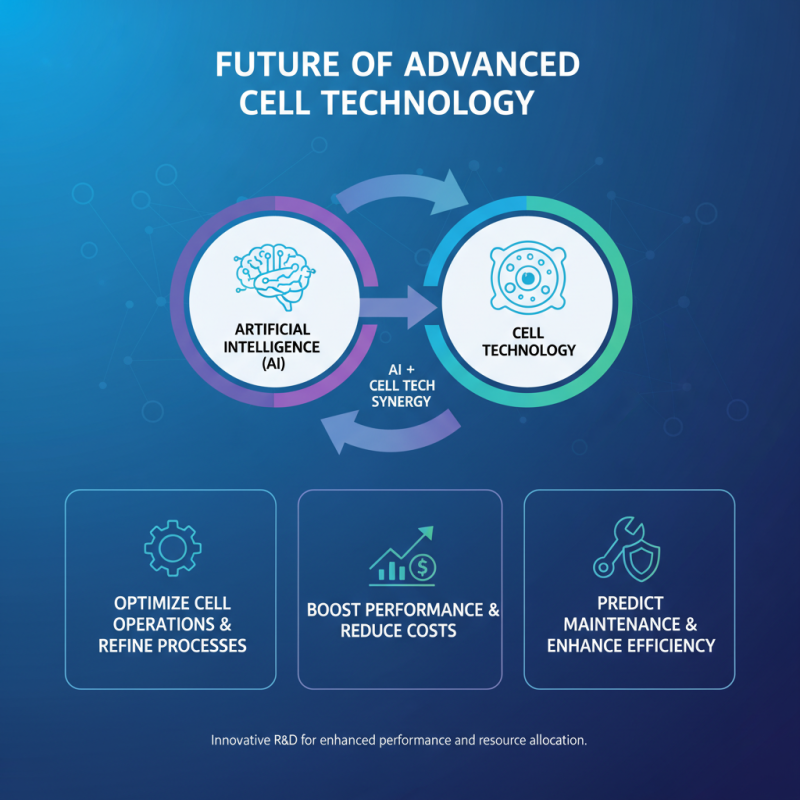
The landscape of advanced cell technology is continuously evolving, driven by innovative research and development aimed at enhancing performance and results across various fields. One of the most significant future trends is the integration of artificial intelligence (AI) with cell technology. AI algorithms can optimize cell operations, predict maintenance needs, and refine processes for greater efficiency. This synergy not only boosts performance but also leads to significant cost reductions, enabling organizations to allocate resources more effectively.
Another promising trend is the focus on sustainable practices within advanced cell technology. As industries strive for lower environmental impact, the development of eco-friendly materials and energy-efficient processes takes center stage. Researchers are exploring the use of biodegradable components and renewable energy sources to improve the lifecycle of cell technology. Additionally, harnessing data analytics to monitor performance in real-time can enhance operational insights, driving further improvements in productivity and sustainability. Together, these trends highlight a future where advanced cell technology not only enhances performance but does so in harmony with ecological principles.