What Are the 2026 Top Types of Solar Cells for Buyers?
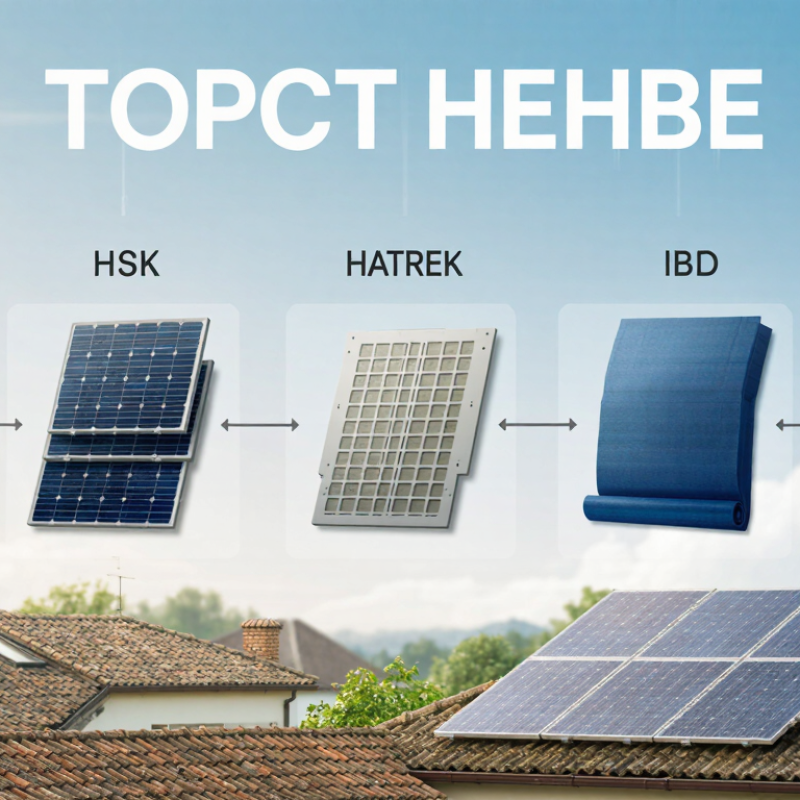
Choosing solar technology in 2026 is less about chasing a single record number. It is about matching cell design to roof space, climate, budget, and installer quality. Buyers will encounter n-type TOPCon, heterojunction (HJT), interdigitated back-contact (IBC), thin-film modules, and emerging perovskite-silicon tandem products. Each option handles shade, heat, manufacturing cost, and long-term degradation differently. This guide introduces the leading types and explains where each may fit. Real roofs matter more than laboratory headlines.
For a small roof, higher efficiency can produce more electricity from each square meter. In a hot region, temperature behavior and ventilation deserve equal attention. HJT can offer strong temperature performance, while IBC designs place contacts behind the cell for a cleaner surface. TOPCon often balances efficiency, availability, and price. Perovskite tandems are exciting, but buyers should examine commercial track records, certification, warranty language, and bankability carefully. They are promising, not automatically proven.
Selecting your cells is only one part of the decision. The panel is not the whole system. Inverter matching, mounting, wiring, monitoring, and installation workmanship affect actual output. Ask for measured assumptions, not vague promises. Check the product data sheet, degradation rate, fire rating, and independent test evidence. Local sunlight and roof conditions can overturn a neat ranking. I cannot promise one universal winner. A careful comparison should expose trade-offs, including uncertainties that sales brochures sometimes hide. That honesty may feel less exciting, but it helps buyers choose technology they can realistically rely on for decades.
Solar Cell Basics and How They Convert Sunlight into Electricity
Solar cells are the working units inside a photovoltaic panel. Most modern cells use silicon, a semiconductor with carefully controlled electrical properties. When sunlight reaches the cell, photons transfer energy to silicon electrons. This creates electron-hole pairs inside the material. A built-in electric field pushes these charges in opposite directions. Metal contacts then collect the movement as direct-current electricity. An inverter changes that electricity into alternating current for household appliances.
In 2026, crystalline-silicon cells remain the main choice for many buyers. Monocrystalline cells usually provide strong output in limited roof space. Passivated-contact and heterojunction designs reduce energy losses at the cell surface. Thin-film cells use much less semiconductor material and can perform steadily in some warm conditions. They may need more installation area, however. Higher efficiency does not automatically mean better value.
Real performance depends on roof direction, shade, temperature, dust, and installation quality. A small chimney shadow can reduce output more than expected. Hot panels also produce less power than laboratory ratings suggest. Check temperature coefficients, degradation data, and independent testing. Ask how the system performs during cloudy mornings, not only under perfect sunlight. I once treated the highest efficiency figure as the best answer. That was too simple. Long-term energy yield, available space, maintenance access, and local weather deserve equal attention.
Monocrystalline, Polycrystalline, and Thin-Film Solar Cells Compared
In 2026, buyers usually compare monocrystalline, polycrystalline, and thin-film solar cells by efficiency, price, space, and climate. Monocrystalline cells use highly refined silicon and typically produce the most electricity per square meter. Their dark, uniform surfaces suit compact roofs with limited sunlight area. They also tend to cost more. I have found that roof measurements often matter more than a small efficiency difference.
Polycrystalline cells have a blue, speckled appearance and use a simpler manufacturing process. They generally offer lower efficiency than monocrystalline panels, but their purchase price can be more approachable. For a large roof with few shadows, this trade-off may work well. Heat affects every silicon panel, although performance losses vary by design and installation quality. A careless comparison can mislead buyers.
Thin-film cells use very thin semiconductor layers and can be lighter than rigid panels. Some designs perform steadily in weak or indirect light, while flexible versions may suit unusual surfaces. Their efficiency is often lower, so they may require more installation space. That space is not free. Buyers should examine rated output, temperature coefficients, degradation data, fire classification, mounting conditions, and local installer experience. Product sheets help, but real roof angles, dust, ventilation, and seasonal shading can change the result. Even careful estimates remain estimates.
Emerging Perovskite and Tandem Solar Cell Technologies in 2026
What Are the 2026 Top Types of Solar Cells for Buyers?
Perovskite solar cells are attracting attention in 2026 because they absorb light efficiently with very thin layers. Their lightweight structure may suit rooftops, façades, vehicles, and portable power equipment. Some laboratory devices now exceed conventional silicon efficiency records. However, laboratory results do not equal dependable household performance. Buyers should ask for certified efficiency, tested degradation rates, and clear warranty terms.
Tandem solar cells combine perovskite with silicon to capture more sunlight. The upper perovskite layer uses higher-energy light, while silicon processes lower-energy light. This design can increase output from limited roof space. It may also perform better during certain low-light conditions. Yet manufacturing remains complex. Layer alignment, moisture protection, heat resistance, and large-scale quality control still require careful validation.
For buyers, the practical question is not only peak efficiency. Examine the cell’s operating history, independent test reports, temperature coefficient, and expected annual degradation. Ask whether the product has completed extended outdoor testing. Perovskite materials can face stability concerns, especially under heat, humidity, and ultraviolet exposure. Encapsulation helps, but it is not a perfect solution. Material recovery and end-of-life handling also deserve attention. I may be too cautious, but early adoption should involve measurable evidence rather than impressive demonstrations. In 2026, proven silicon remains easier to compare, while tandem technology offers a promising path for buyers willing to evaluate more uncertainty.
How to Compare Solar Cell Efficiency, Cost, Durability, and Performance
Choosing the right solar cell in 2026 requires more than chasing the highest efficiency number. Efficiency shows how much sunlight becomes electricity under laboratory conditions. Real output also depends on temperature, shading, roof direction, and ventilation. A panel rated at 23% may produce less than expected on a hot, poorly ventilated roof.
Check the temperature coefficient and low-light performance. These figures often explain differences that headline efficiency hides. Cost should include mounting hardware, labor, wiring, maintenance, and expected energy yield.
A cheaper panel can become expensive if it needs more roof space or replacement earlier. Calculate cost per watt, then compare estimated lifetime electricity production. Use independent test data where possible.
Durability deserves close attention. Look for verified resistance to moisture, wind, hail, and repeated temperature changes. Product warranties matter, but their wording matters more. Check degradation rates, coverage periods, installation conditions, and who handles claims. A strong warranty cannot correct poor installation. The installer’s experience with roof loading, drainage, and electrical protection affects performance for decades.
Do not ignore practical details.
For example, a small roof with afternoon shade may favor a higher-efficiency design. A large, clear roof may make a lower-cost option more sensible.
Storage compatibility and future repair access also influence value. Some comparisons remain imperfect because test conditions rarely match a real home. Recheck the assumptions with local sunlight data and an itemized quote.